OTT - AR & VR Residency
Open Online Theatre (OOT) runs periodic artist residencies and festivals focused on integrating performance with XR, VR, AR, and live streaming.
I was selected for the artist residency.
Every season, artists take part in our 12-week programme to learn from experts and develop work designed for digital viewing. Open Online Theatre is their virtual rehearsal space and performance venue.
AR / VR — ARTIST RESIDENCY
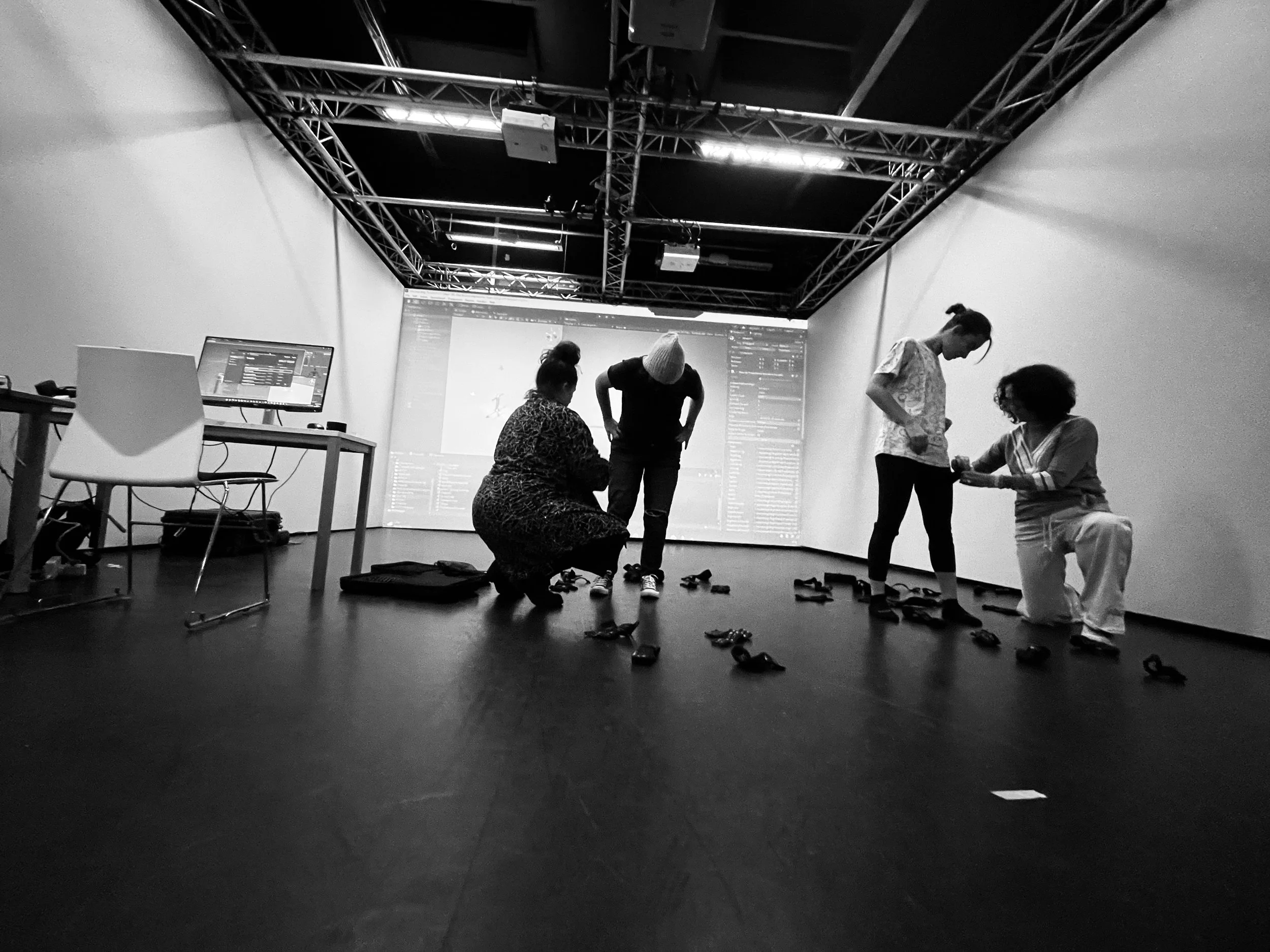
During the 12-week artist residency with Open Online Theatre, I explored how Augmented and Virtual Reality could extend my performance practice into immersive digital environments.
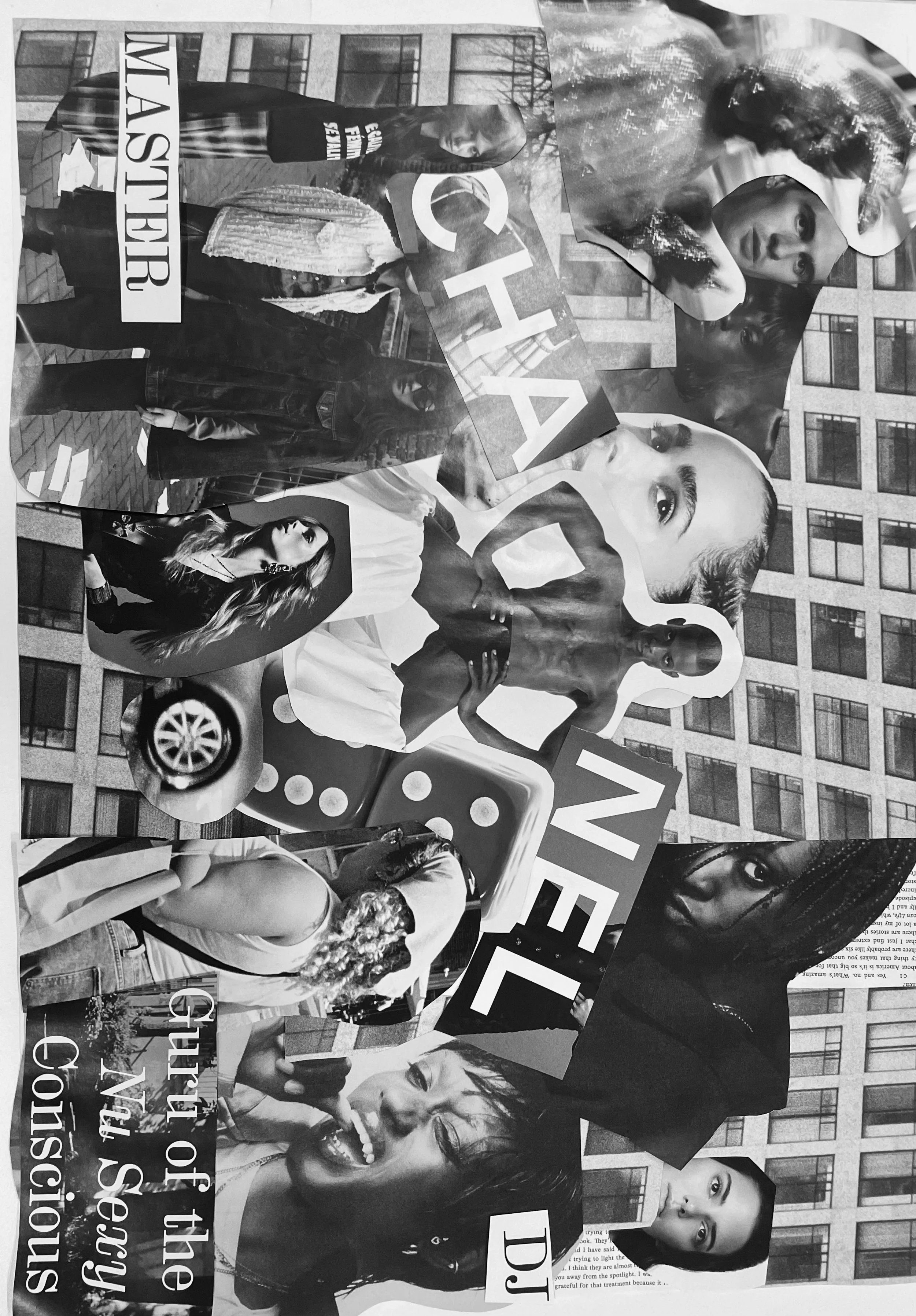
Working with montage and fragmentation — recurring methods within my creative practice — I investigated how film, sound, performance and digital objects could be layered through AR to construct a world that audiences could physically move through.
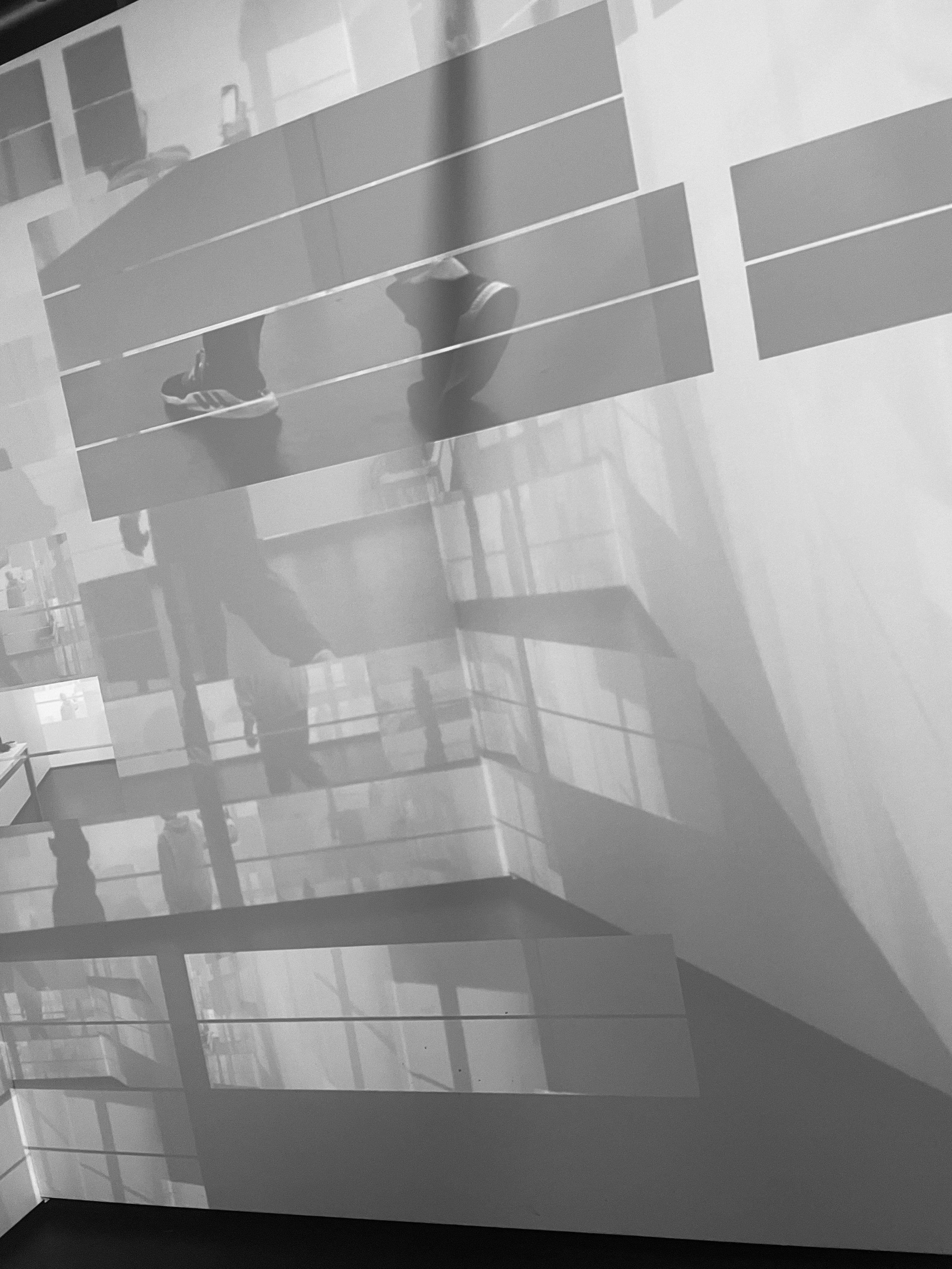
Rather than replacing the real environment, the experiment explored the tension between the physical and augmented: allowing audiences to walk through a real space while encountering fragments of my original performance, film and sound.
Creative Direction · AR/VR Experimentation · Performance · Film · Sound · Immersive Experience
R&D / EXPERIMENTS
01 / FRAGMENT
Breaking performance apart
I began by testing how montage and fragmentation, methods already central to my creative practice, could translate into AR and VR.
Rather than presenting performance as a single linear work, I experimented with breaking film, movement, sound, imagery and the body into separate elements. These fragments could then be layered, repositioned and reconstructed digitally.
The experiment asked: what happens when a performance is no longer something we simply watch, but something that can be dismantled and rebuilt around us?
02 / SPACE
Moving through the work
I then explored how these fragments could exist within physical and augmented space.
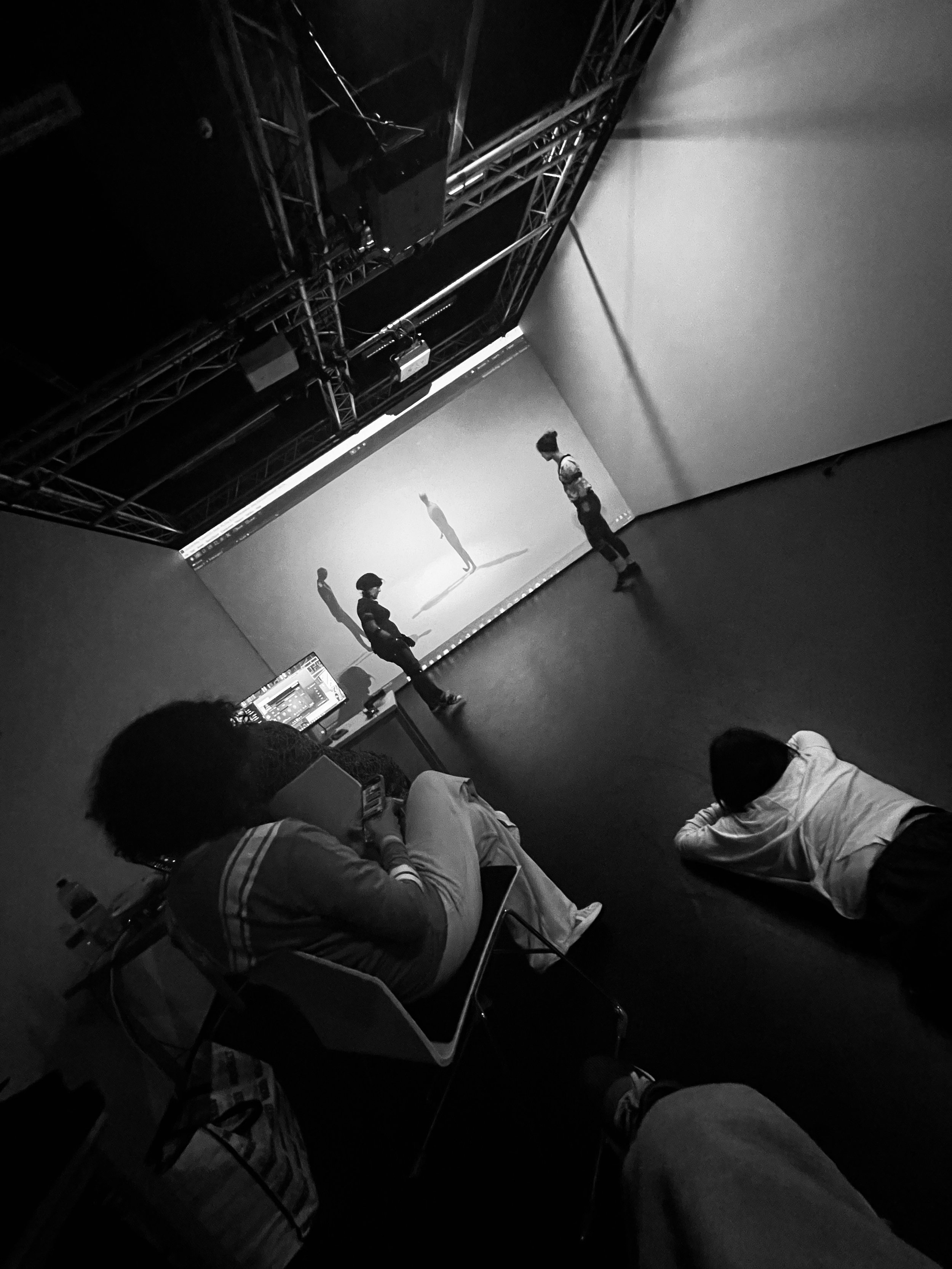
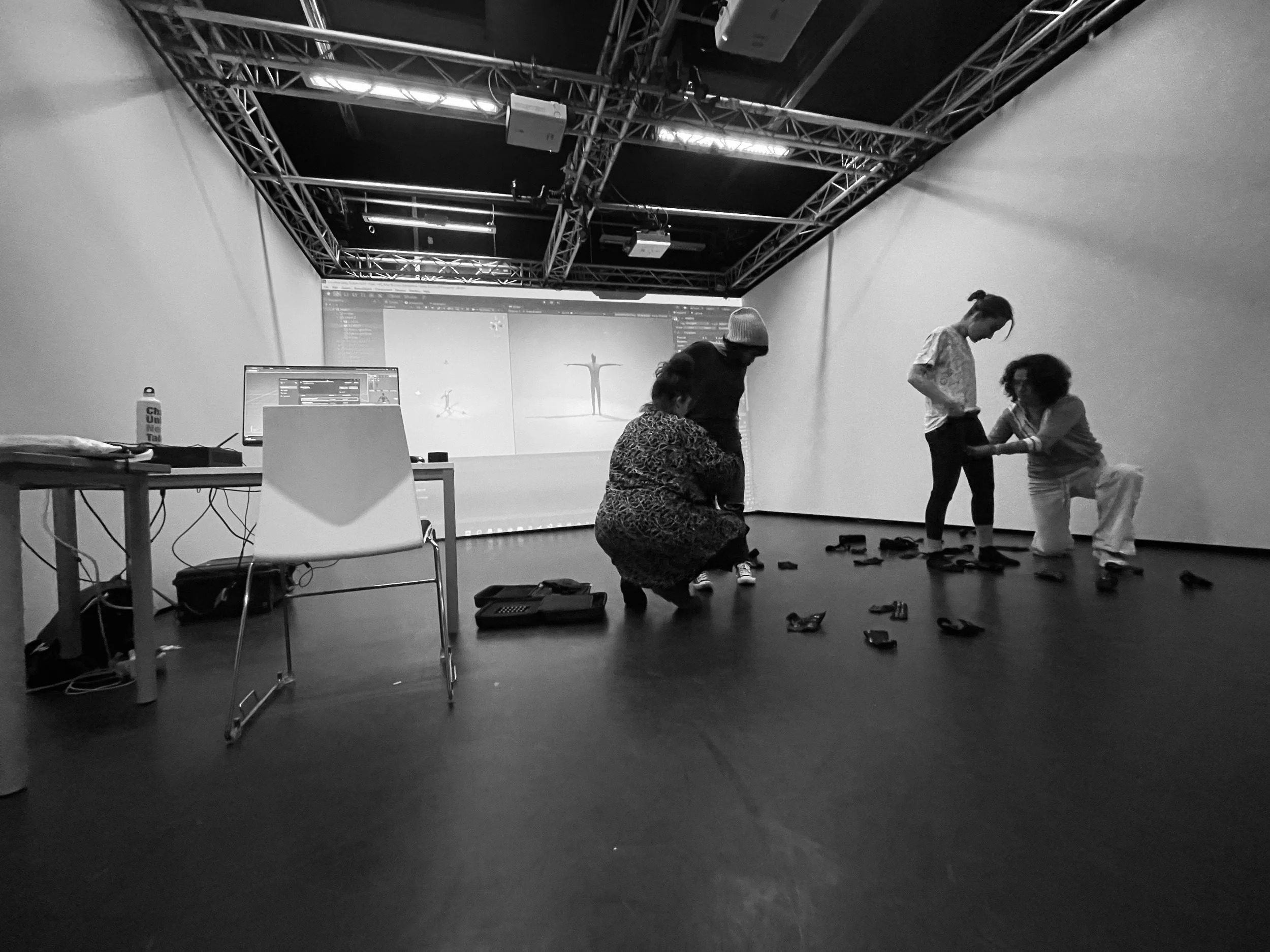
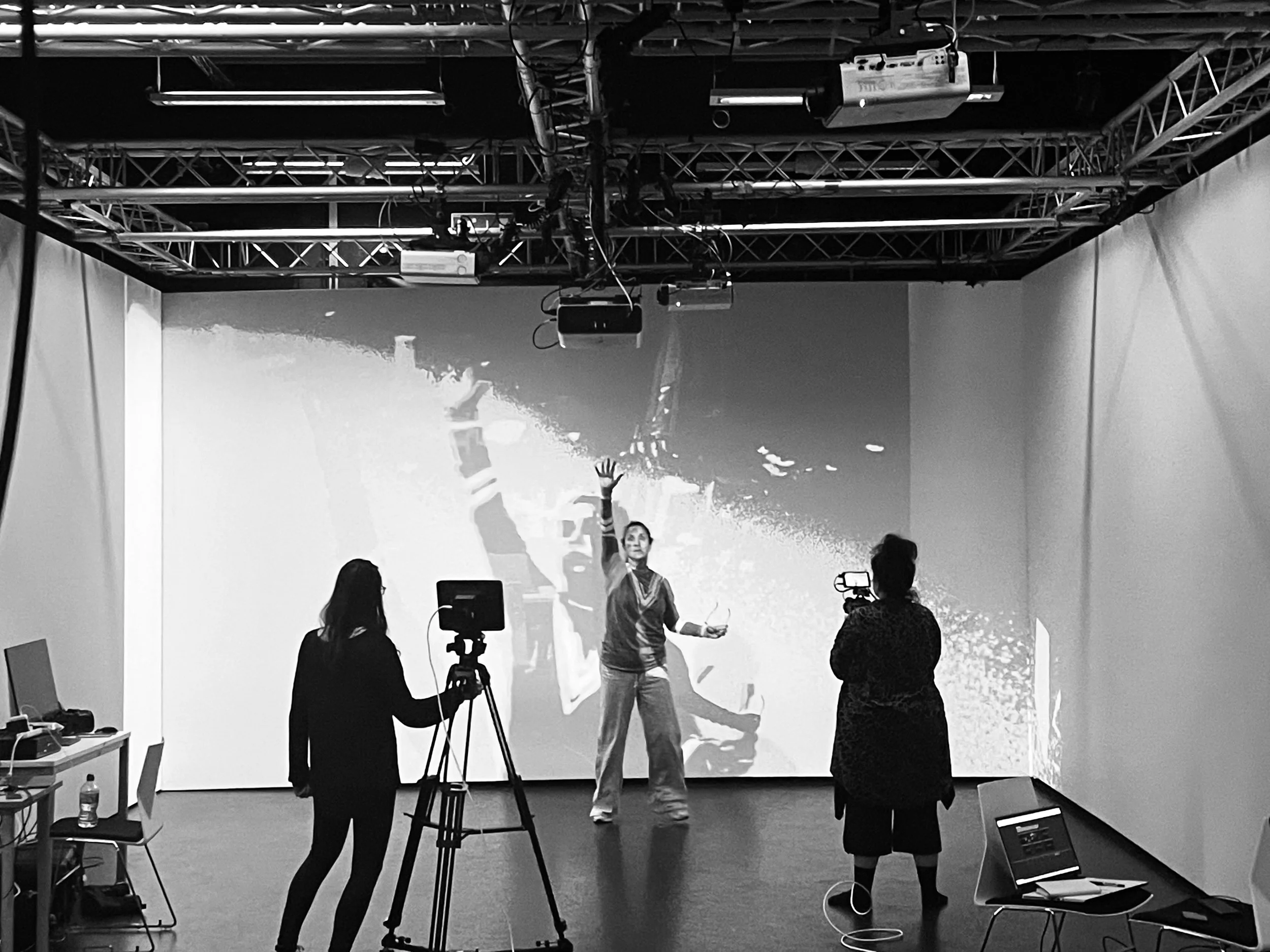
Using projection, motion capture, digital environments and spatial experimentation, I investigated how virtual material could interact with real architecture and the presence of the audience. - potentially dancing with yourself, moving with your avitar in AR / VR instead of acting like your controlling it.
Instead of positioning the viewer in front of a screen, or as a controller, the aim was to create an environment in which participants could move between and through fragments of image, sound and performance — experiencing the work differently depending on where they stood, looked or moved.
The physical world remained visible, while digital layers disrupted and extended it. Audience was to be adaptive of the enviorment instead of an active audience particpant.
03 / LEARNING
From spectatorship to encounter
The residency shifted my thinking from creating work that is watched towards creating work that is encountered or controlled.
I discovered that AR offered a particularly interesting extension of my montage practice: fragments no longer needed to exist only within the frame of a film. They could potentially occupy walls, bodies, objects and architectural space, allowing the audience to construct their own relationship with the work through movement.
This opened a new question within my practice:
Can montage become spatial?
Rather than controlling the exact sequence in which an audience experiences a work, AR creates the possibility of building a fragmented world that audiences can navigate, discover and assemble for themselves.