Already Cancelled.
Alt + Cntrl + Dlt
Thursday, 19:45, Twentieth of May, Twenty-Twentyone
by Levi Hibbert
All views on this blog are my own and, like the weather, can change. Everybody is entitled to an opinion. I may say one thing and then after further investigation say the contrary. I’m trying to navigate this world and execute my vision. Be patient and understanding. take this blog as food for thought. Ignore the grammar/spelling - Dyslexia. Lets talk, x
Likes
- 0.9
Dislikes
-16,031,100,175
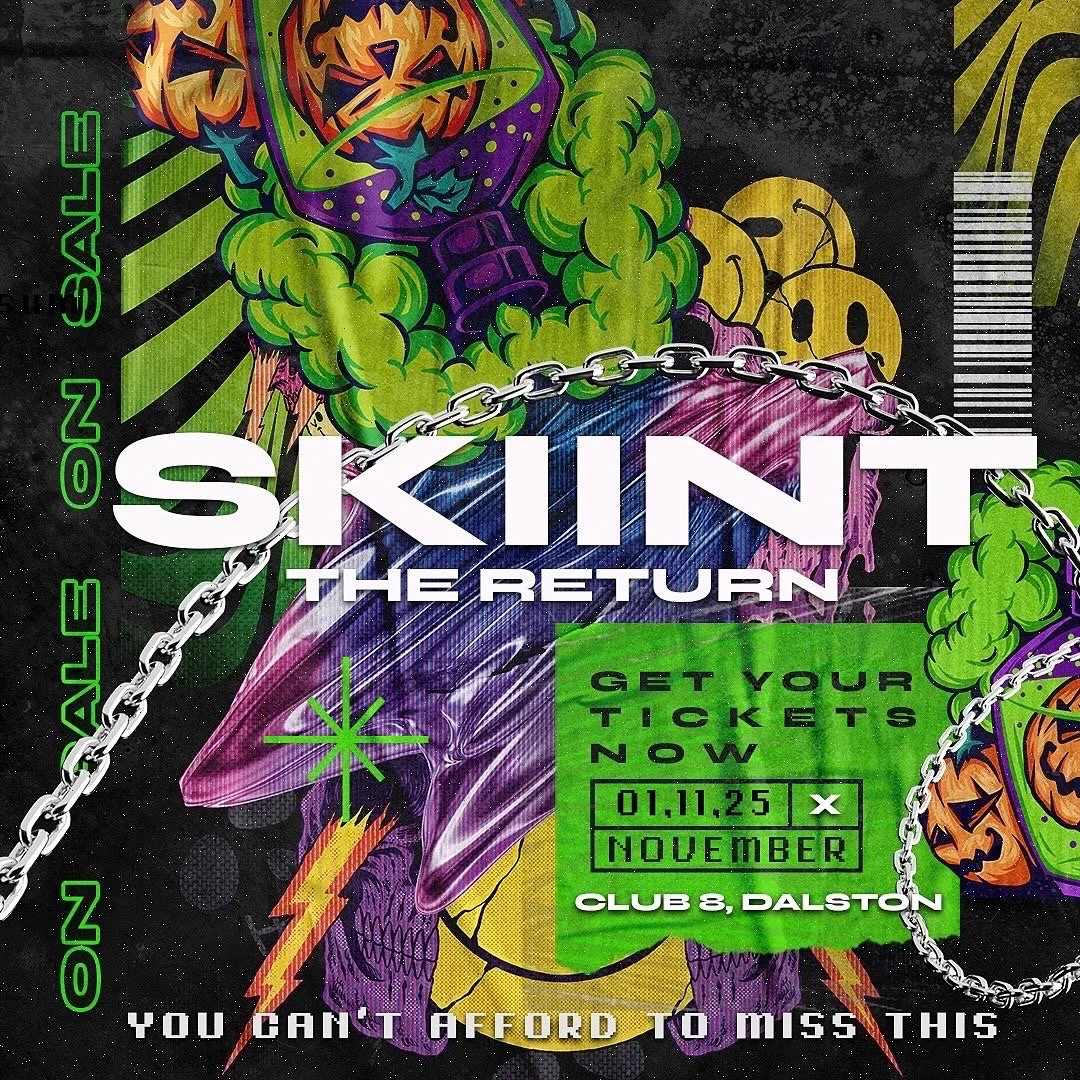
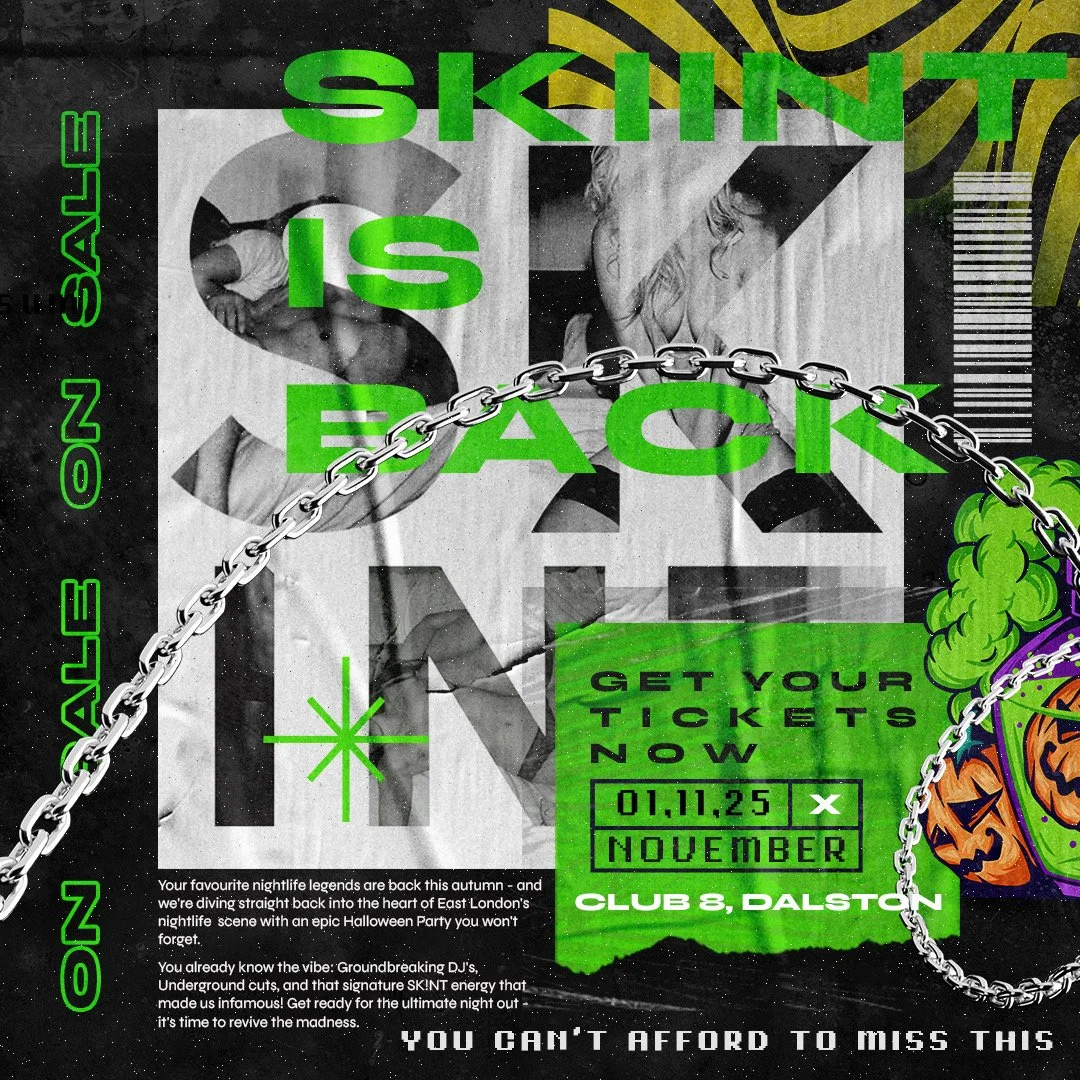
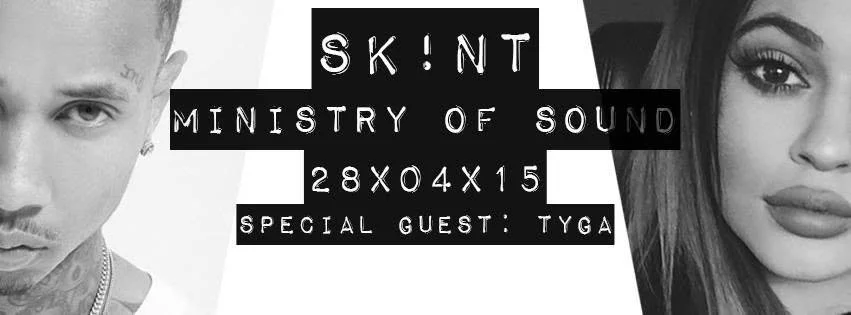
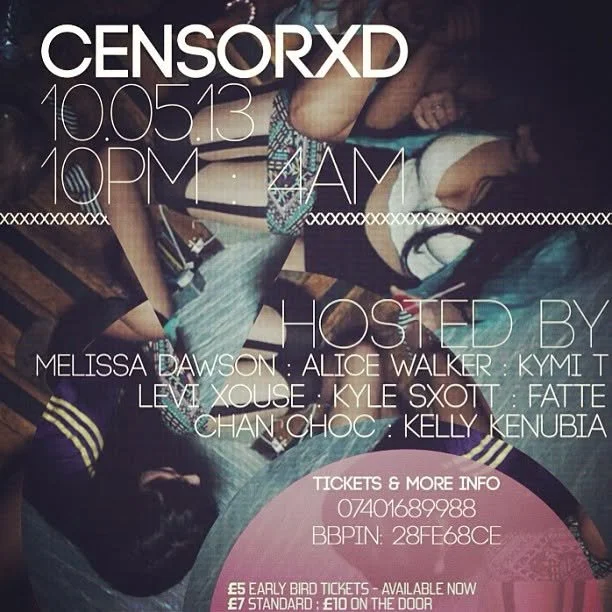
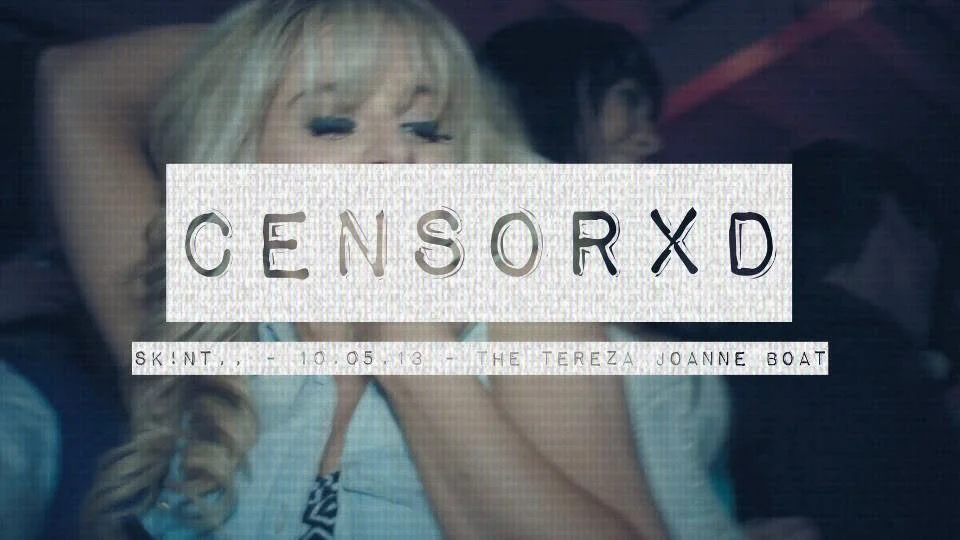
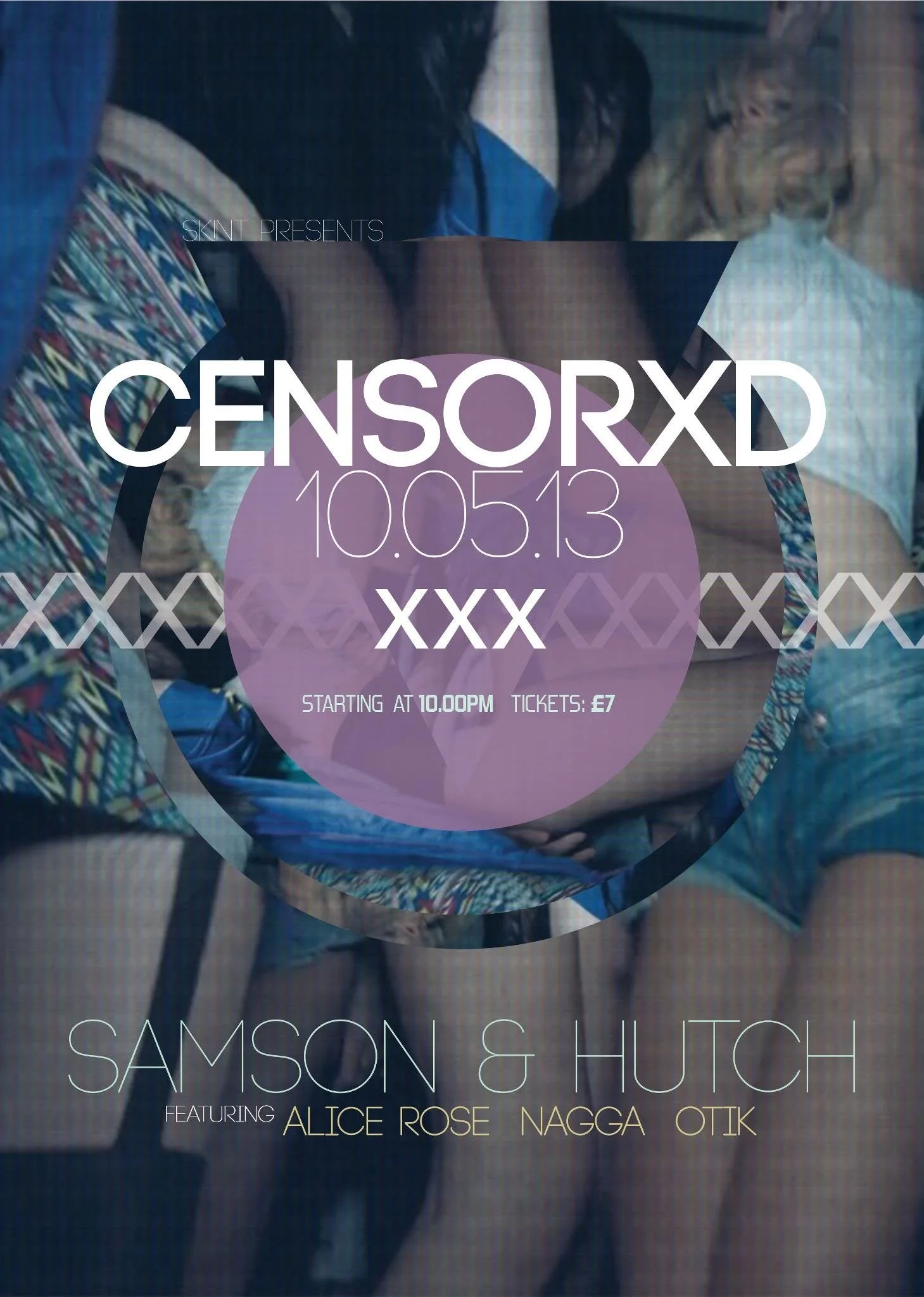
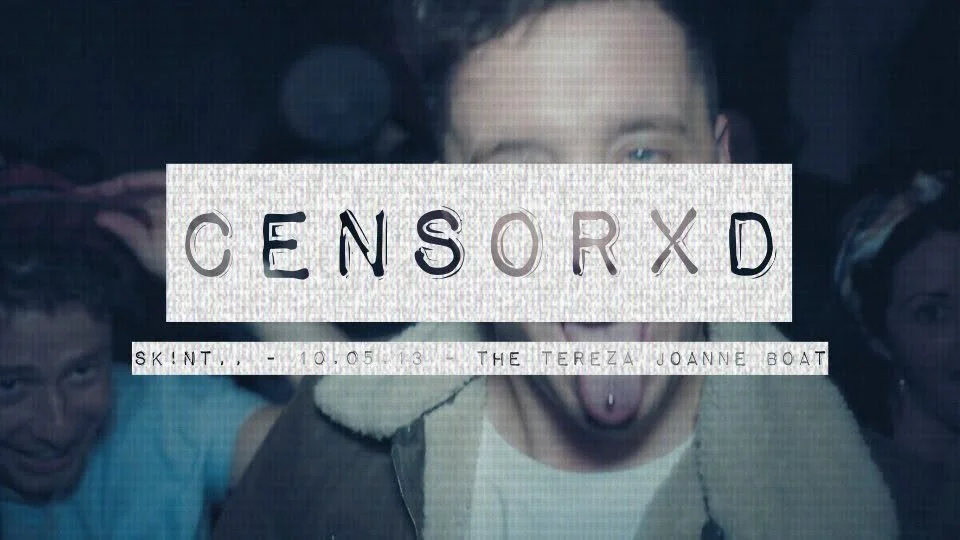
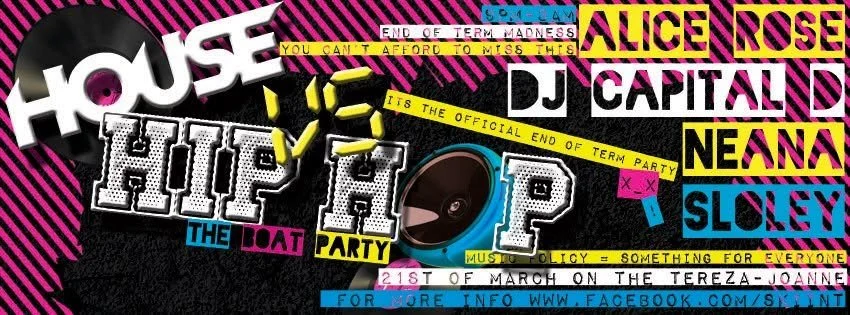
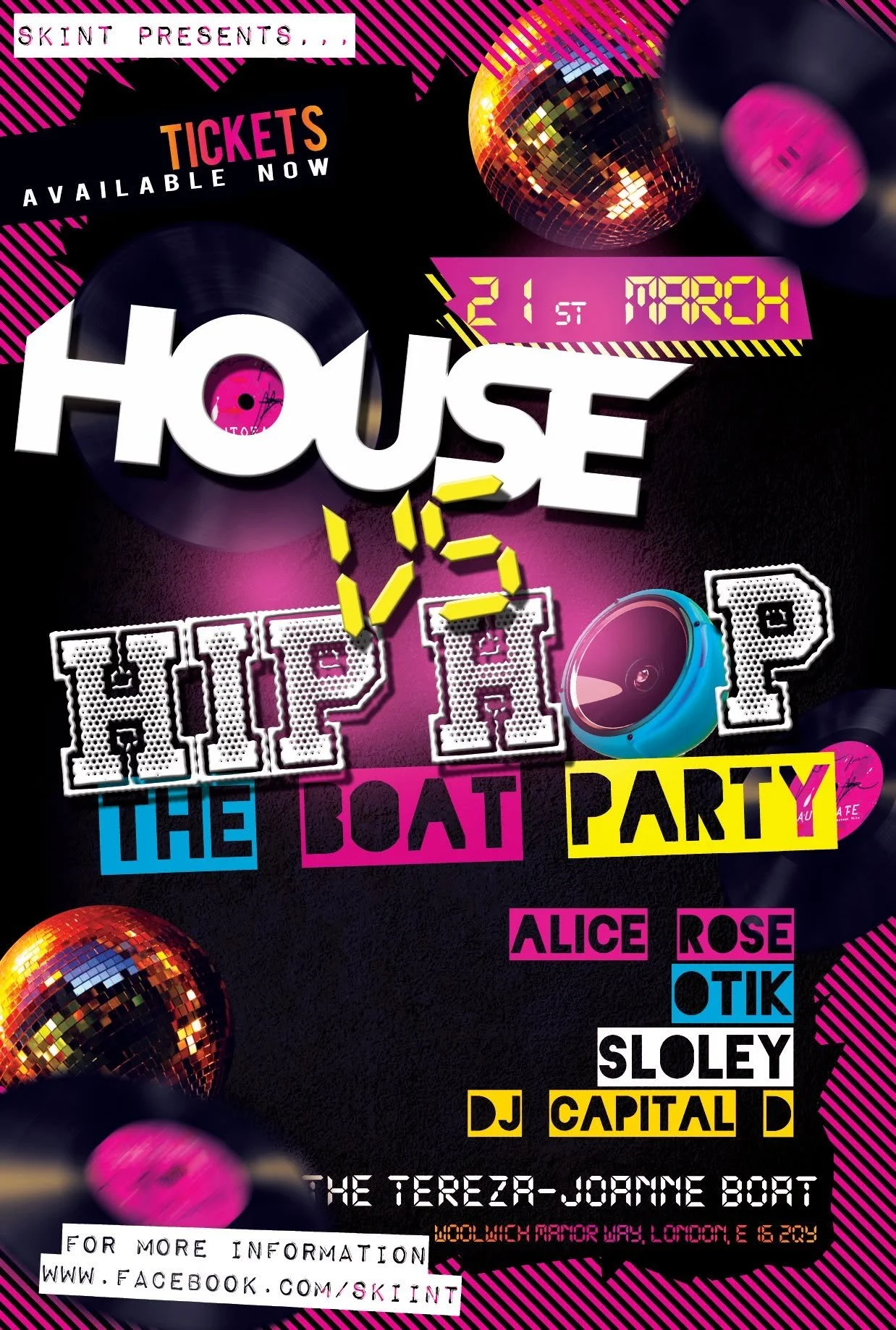
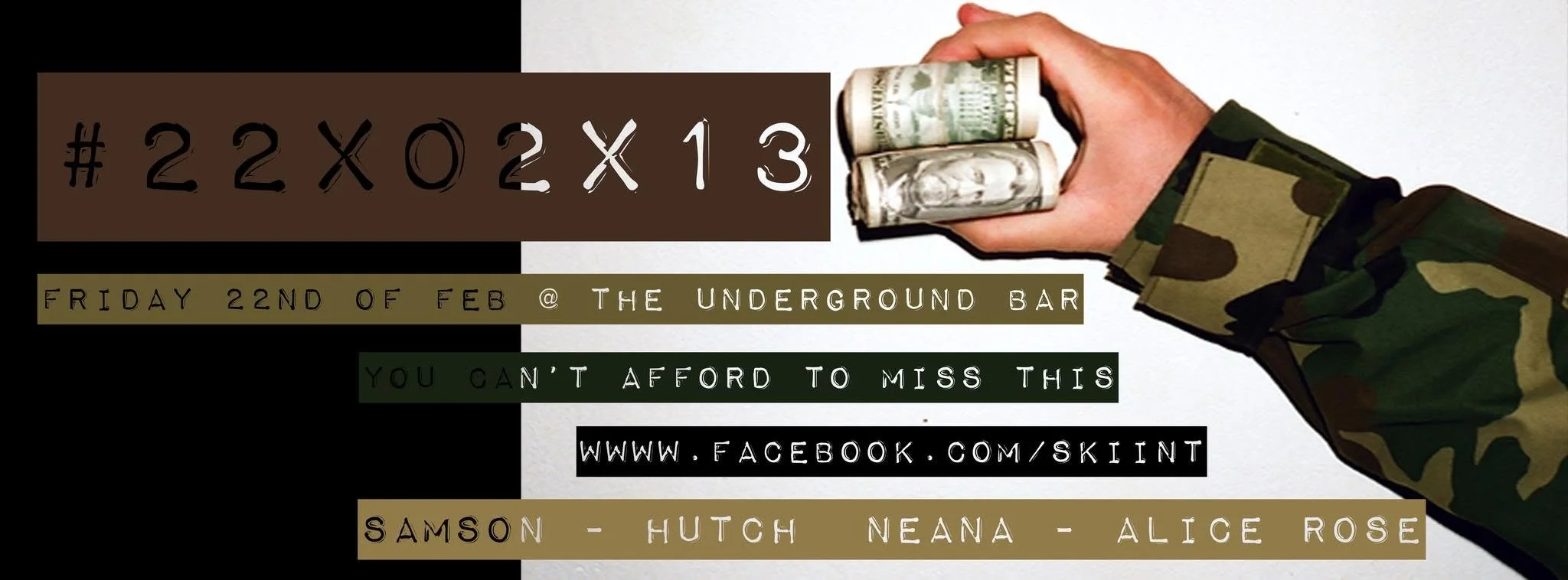
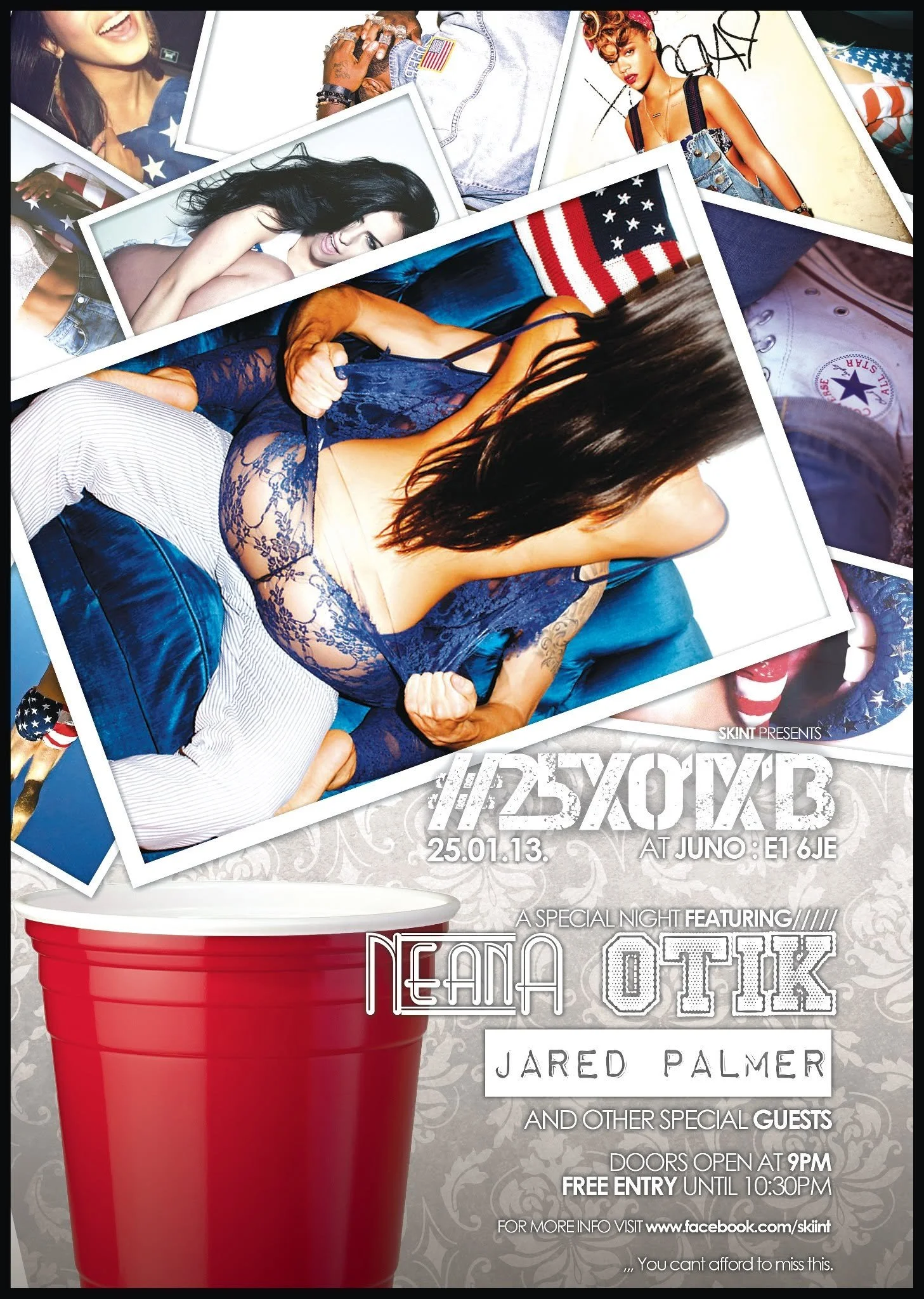
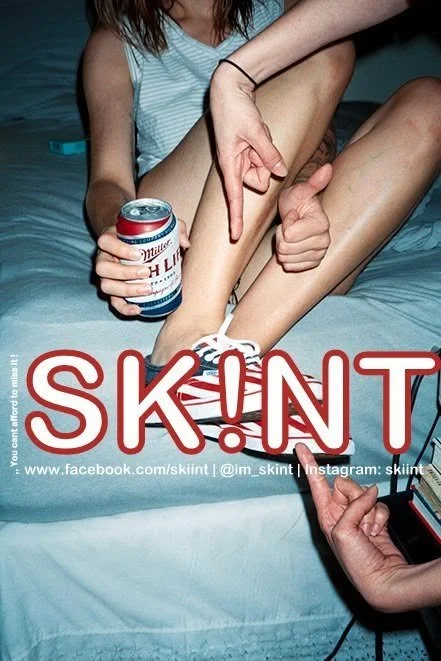
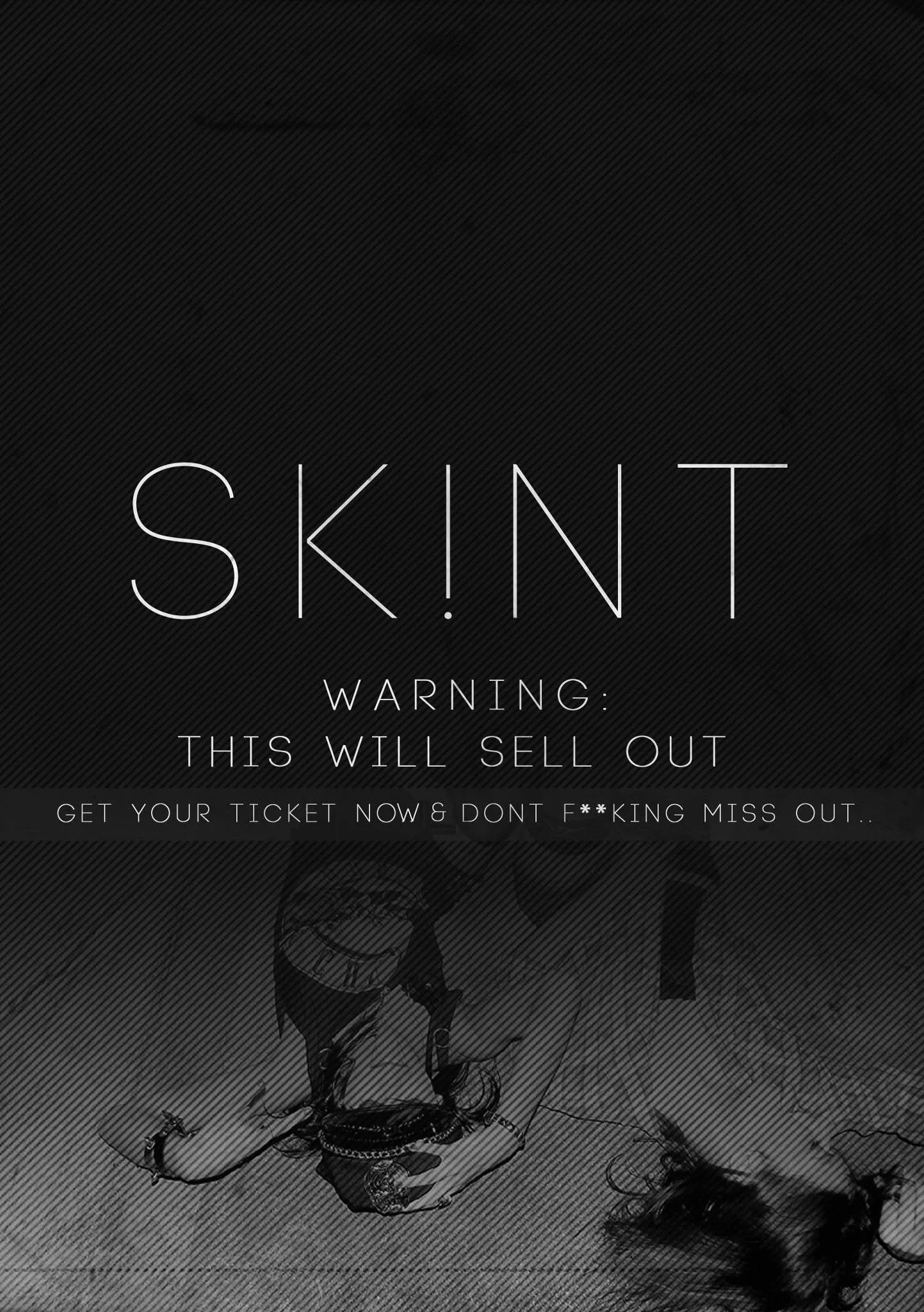
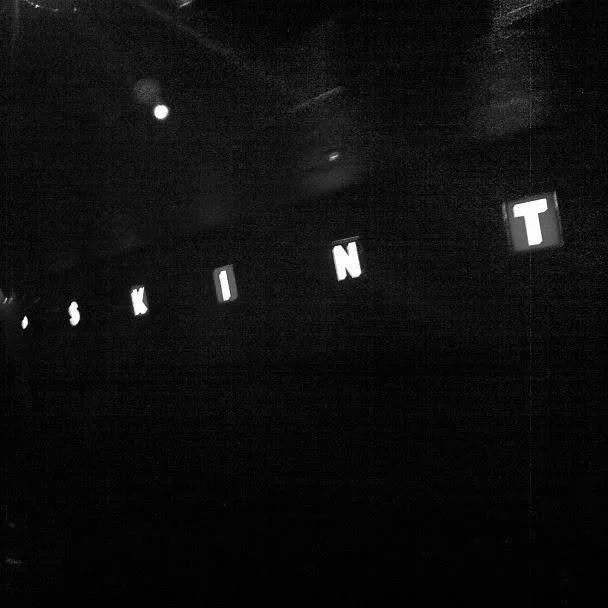
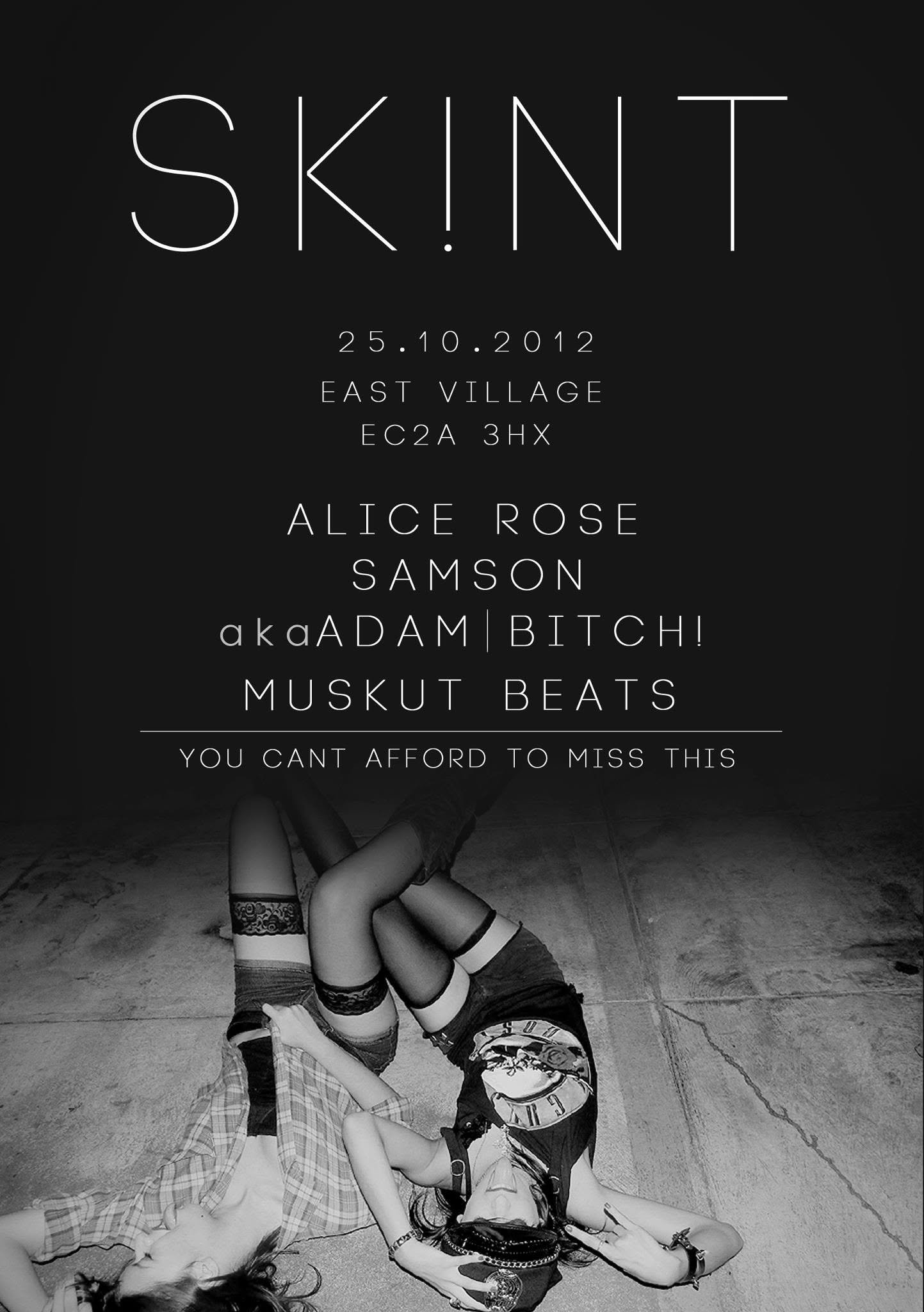
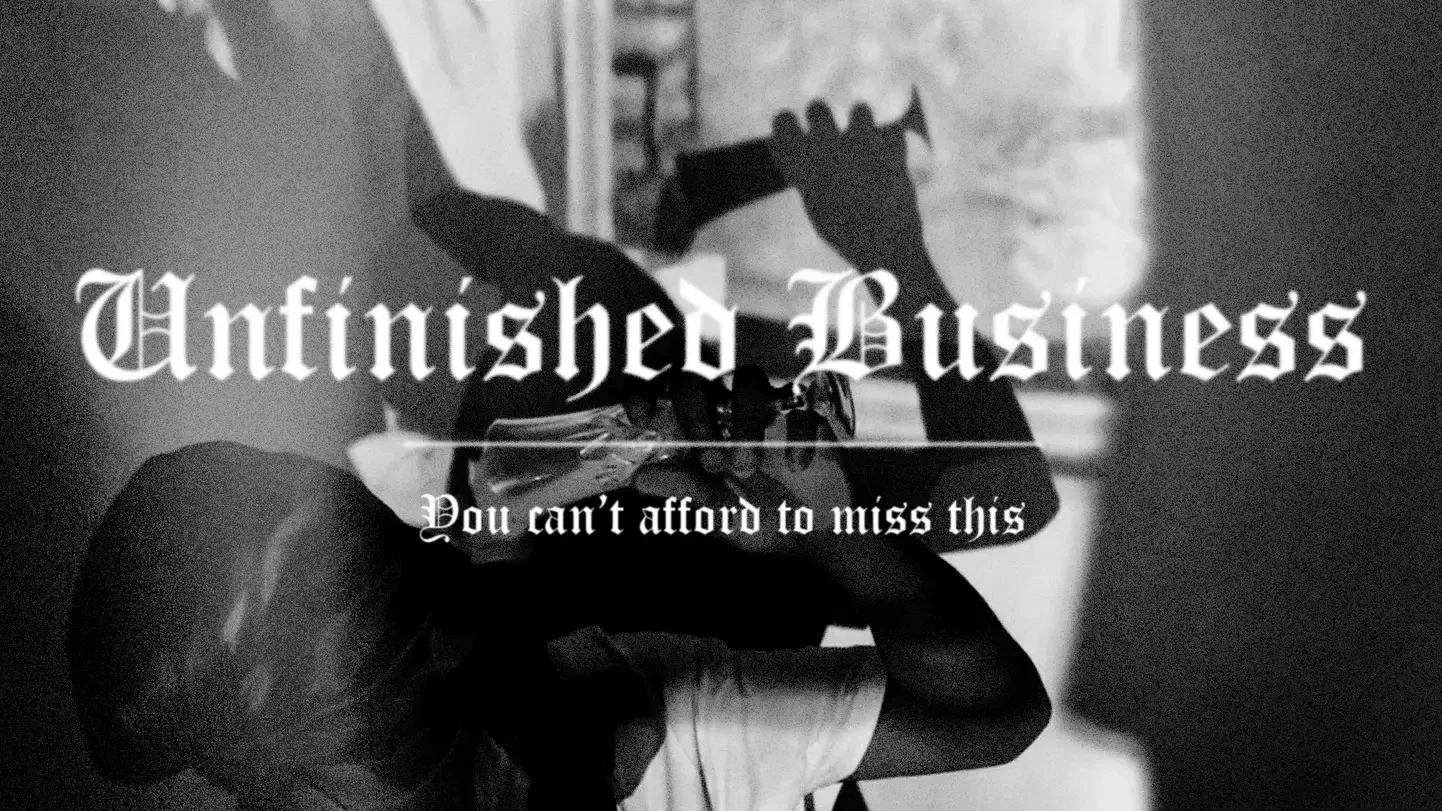
‘Unfinished Business’
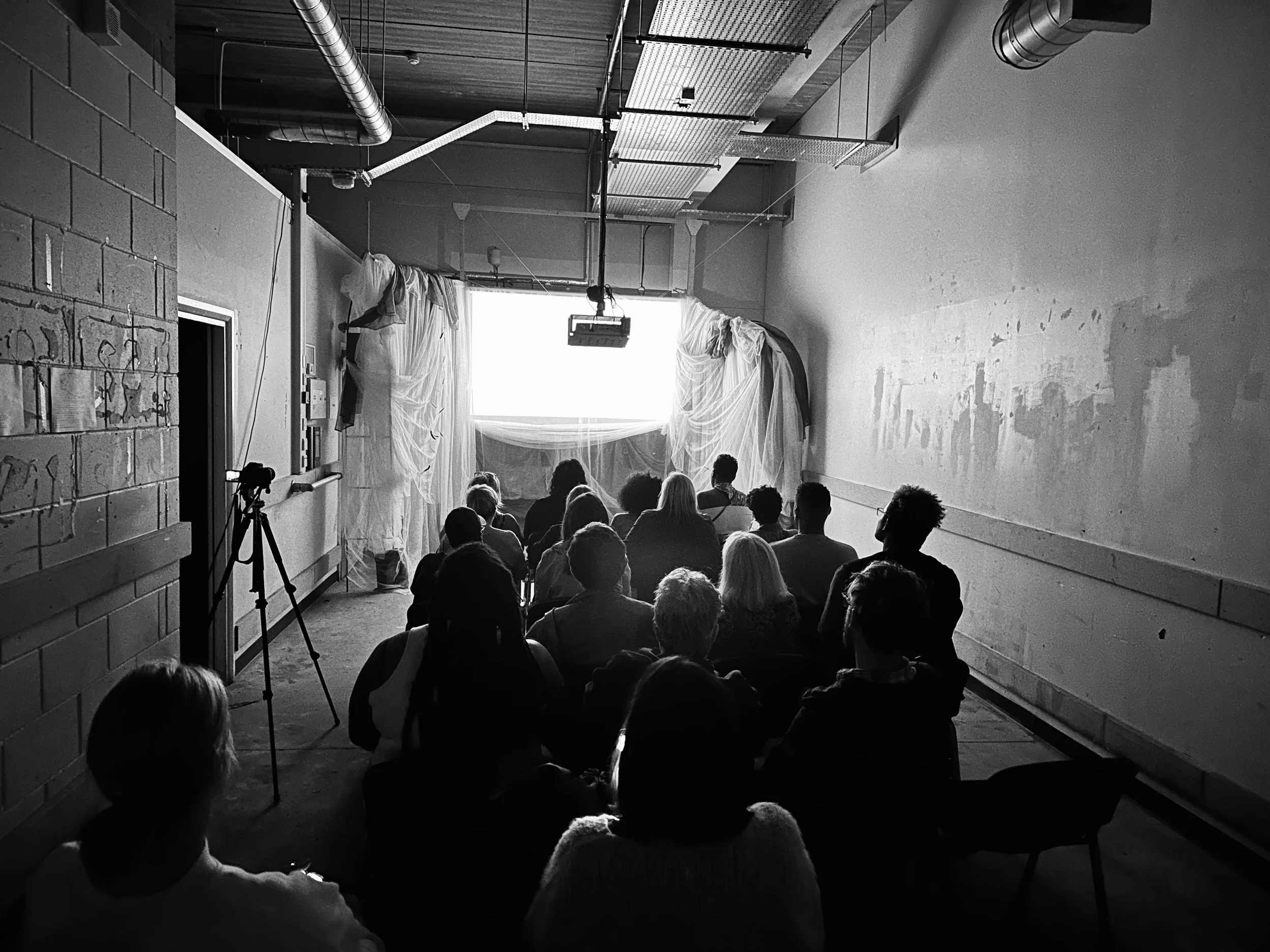
Forever montaging; LXVI presents a collage of their existing work in a new hybrid format. Drawing from their longstanding influence in nightlife and interdisciplinary practice of Music, Media, Film and Performance. LXVI brings his ideological architecture into Hypha Studios with the ‘States of Exchange’ Exhibition, organised by the DFA Arts Exchange for an exploration of black contemporary performance.
As a 2022 British Council Venice Biennale Fellow LXVI draws influence from Sonia Boyce’s ‘Feeling Her Way’ and also installation artist Isaac Julien to re-imagine black and queer representations. LXVI's visual work rings true to the edgy, cool, characteristics of new queer cinema whilst offering new forms of spectatorship to those both within and outside of the LGBTQ+ sphere.
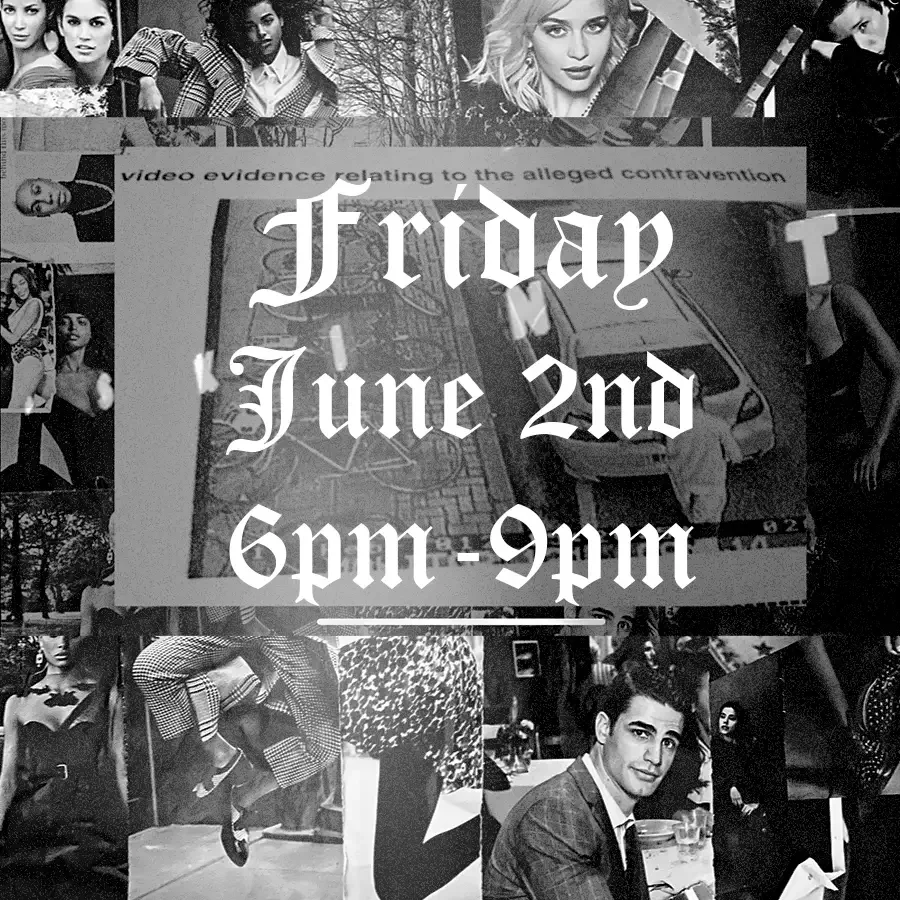
The exhibition space will be open from 18.00 and you are welcome to come and check out the other artists’ work featured in ‘States of Exchange’. Doors to ‘Unfinished Business’ open at 18.15 so please arrive before this ready for the performance at 18.30.
‘Unfinished Business’ has a running time of approximately 30mins. Unfinished Business is a film-centred installation that explores the intricate relationship between black masculinity and queer community. Followed by an informal Q&A in a relaxed environment. Unfinished business will draw to a close at 20.00, after which you are welcome to finish exploring ‘States of Exchange’.
‘States of Exchange’ is an exhibition that explores social interaction through place, memory and time. Reflecting on relations between cooperation, exchange, inequality, power and status.
A percentage of the proceeds of this event will be donated to the DFA Arts Exchange and the Hypha Studios Charity.
‘Unfinished Business’ at ‘States of Exchange’
Artistic Statment ‘21
Levi is a contemporary performance artist and creative director working across the interdisciplinary of media, film, music and dance. Their work transverses borders and takes many forms such as events and live art installations.
Levi creates works for a diverse range of audiences to enjoy, while exploring and challenging the long-adhered-to stereotypes of black masculinity and that of gay men. Their visual work rings true to the edgy, cool, characteristics of new queer cinema whilst offering new forms of spectatorship to those both within and outside of the LGBT+ sphere.
Affective bi-polar with no lows, part of Levi’s mind is laced with an artistic take of black queer expression and the other with their attempts to reframe the gritty appeal of London, Paris and Amsterdam's heteronormativity. Having worked and lived internationally Levi is keen to continue creating long-lasting conversations and art that resonates between disconnected communities and highlights common causes.
A strong advocate of Art Therapy, they continue to facilitate and participate with mental health services in Hackney, enabling their art to be accessible and enjoyed by many.
Daringly different and unapologetic in their practice. Limitless.
OTT - AR & VR Residency
Open Online Theatre (OOT) runs periodic artist residencies and festivals focused on integrating performance with XR, VR, AR, and live streaming.
I was selected for the artist residency.
Every season, artists take part in our 12-week programme to learn from experts and develop work designed for digital viewing. Open Online Theatre is their virtual rehearsal space and performance venue.
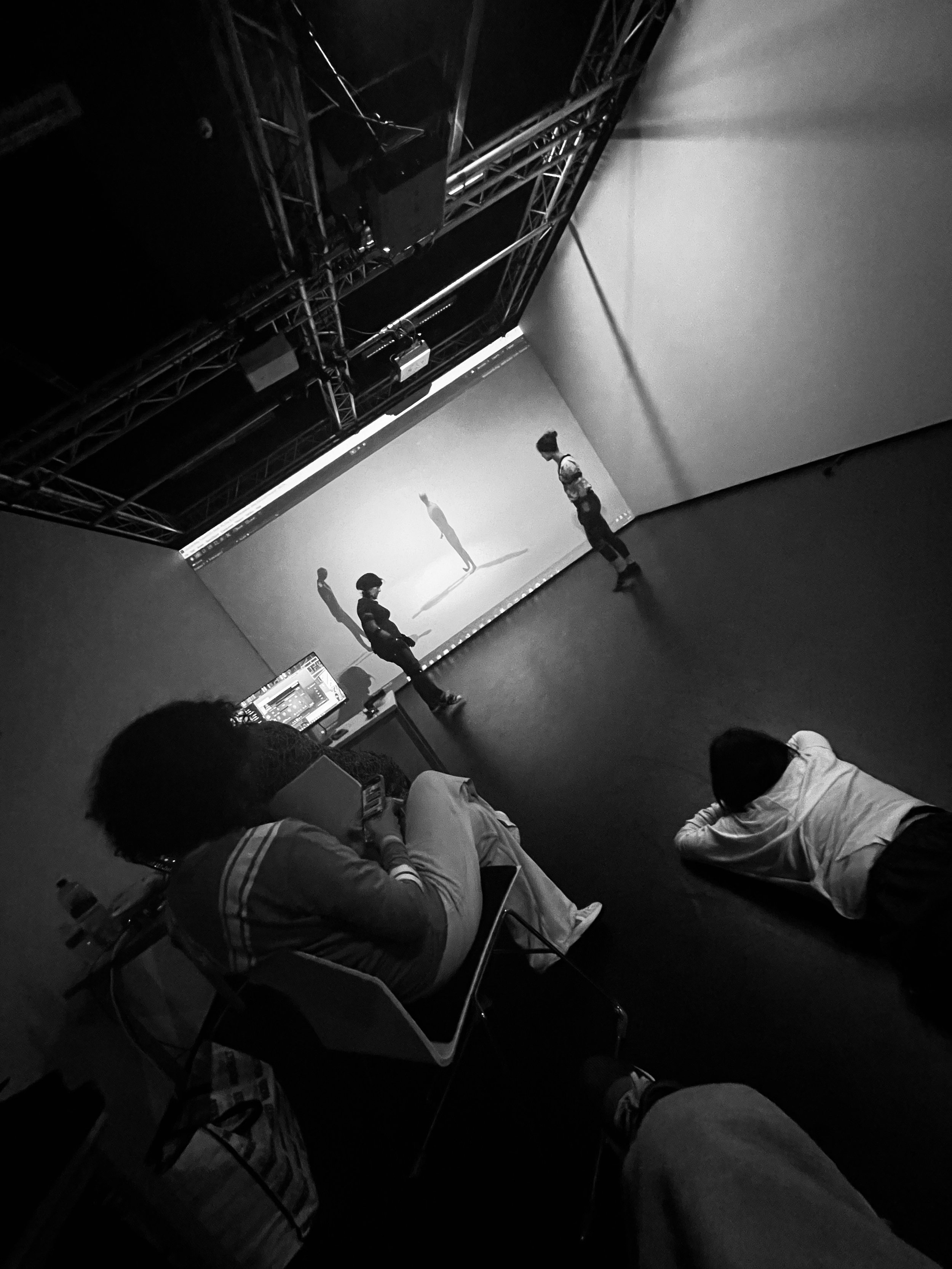
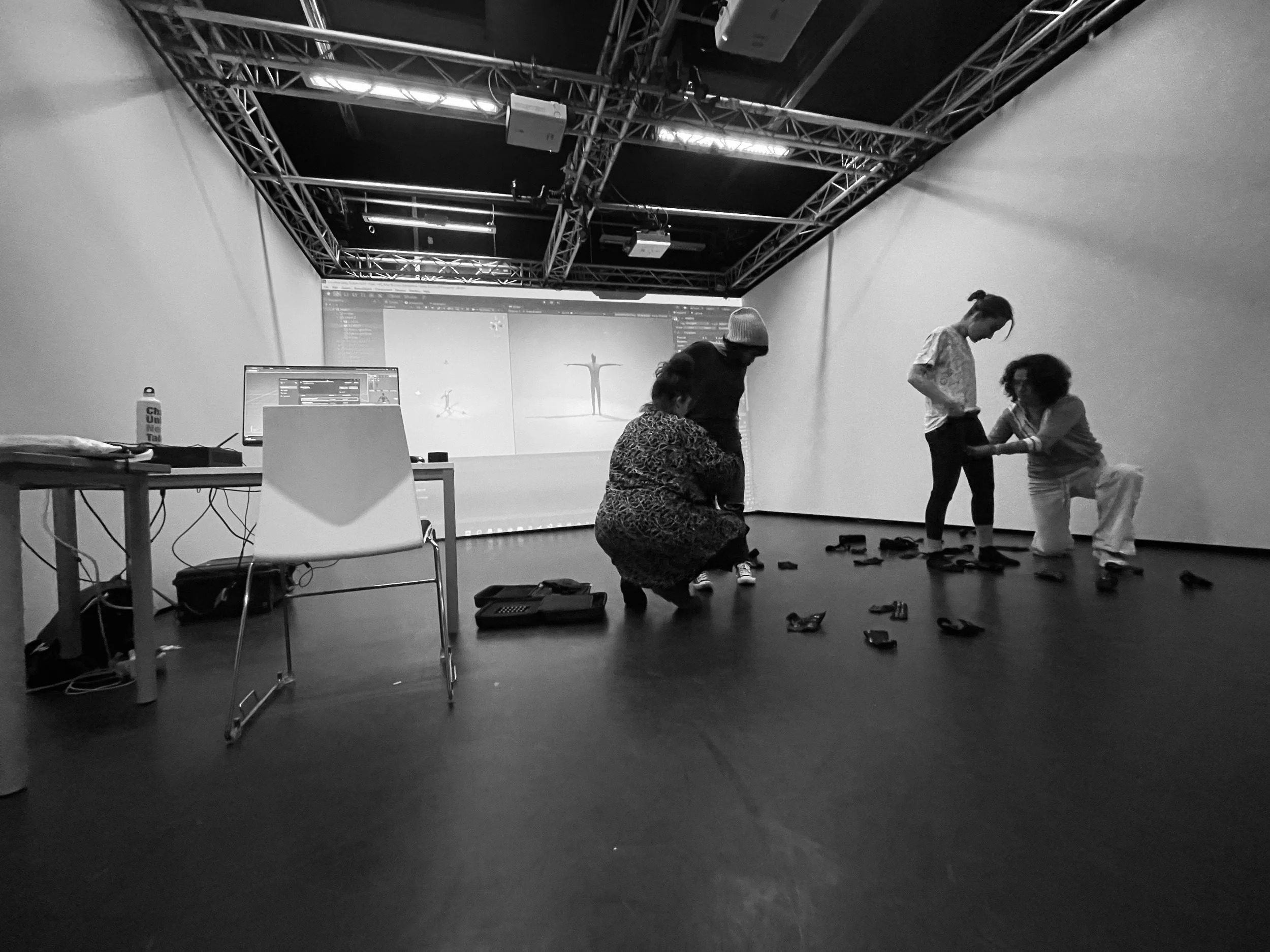
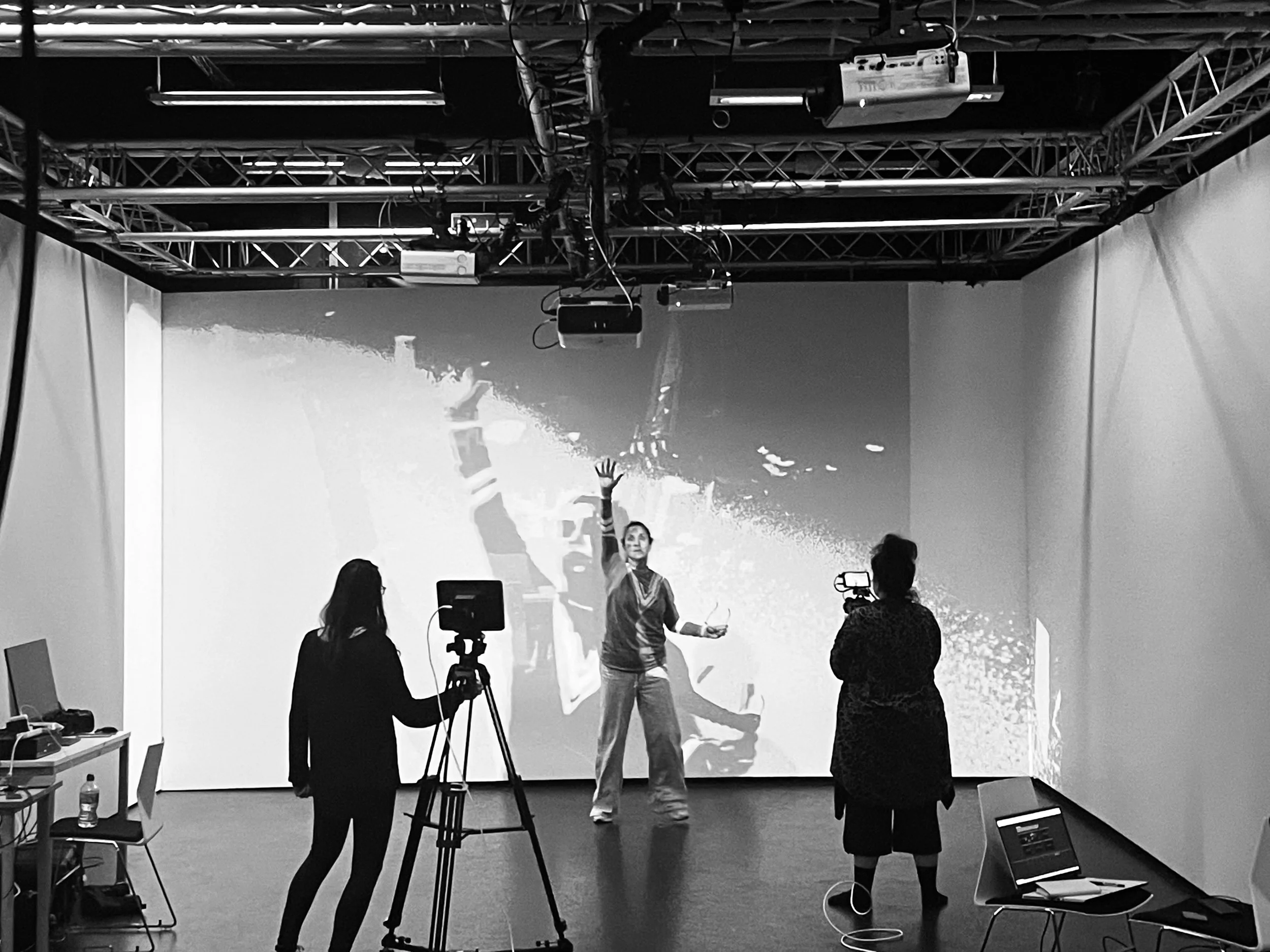
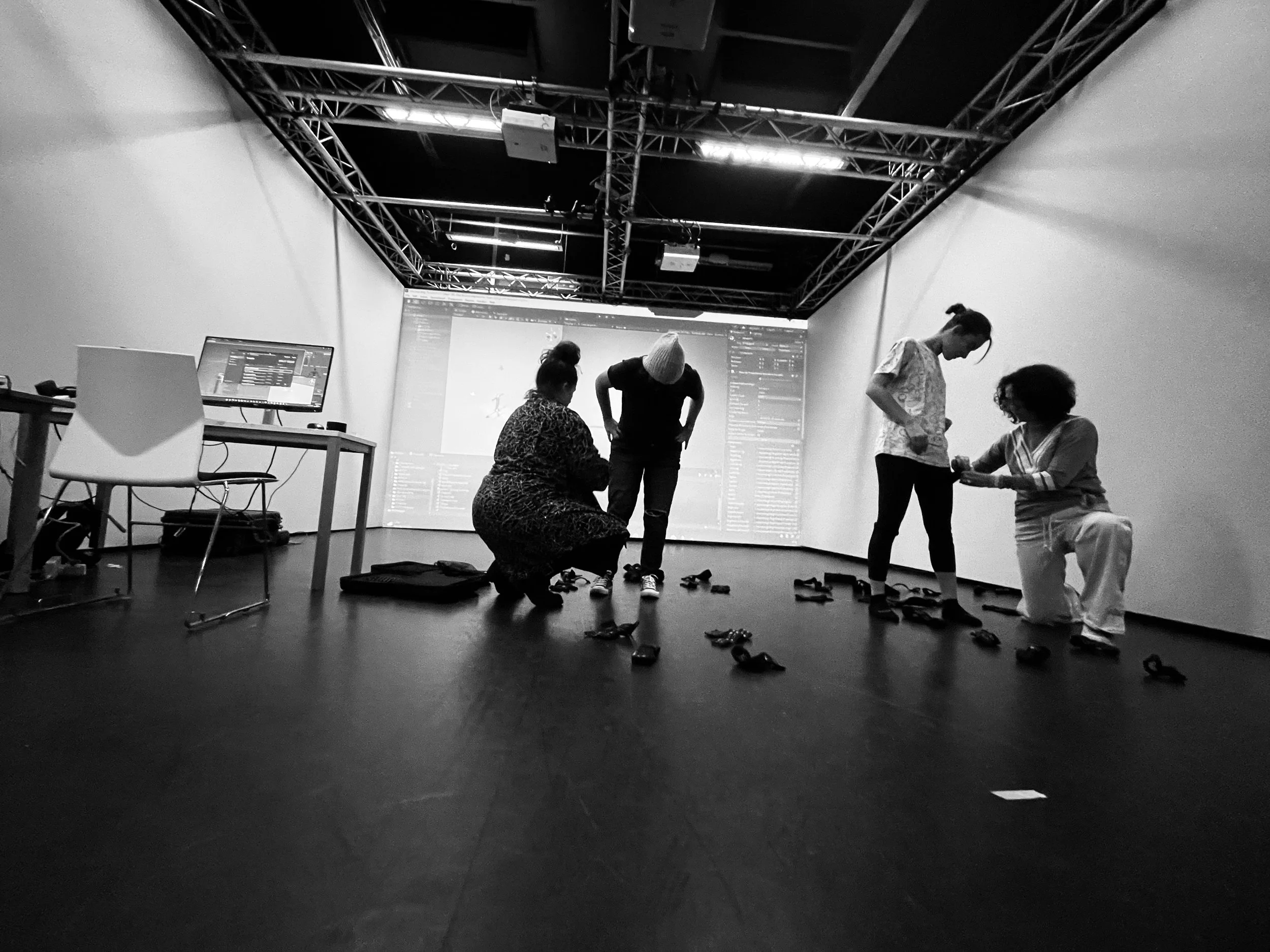
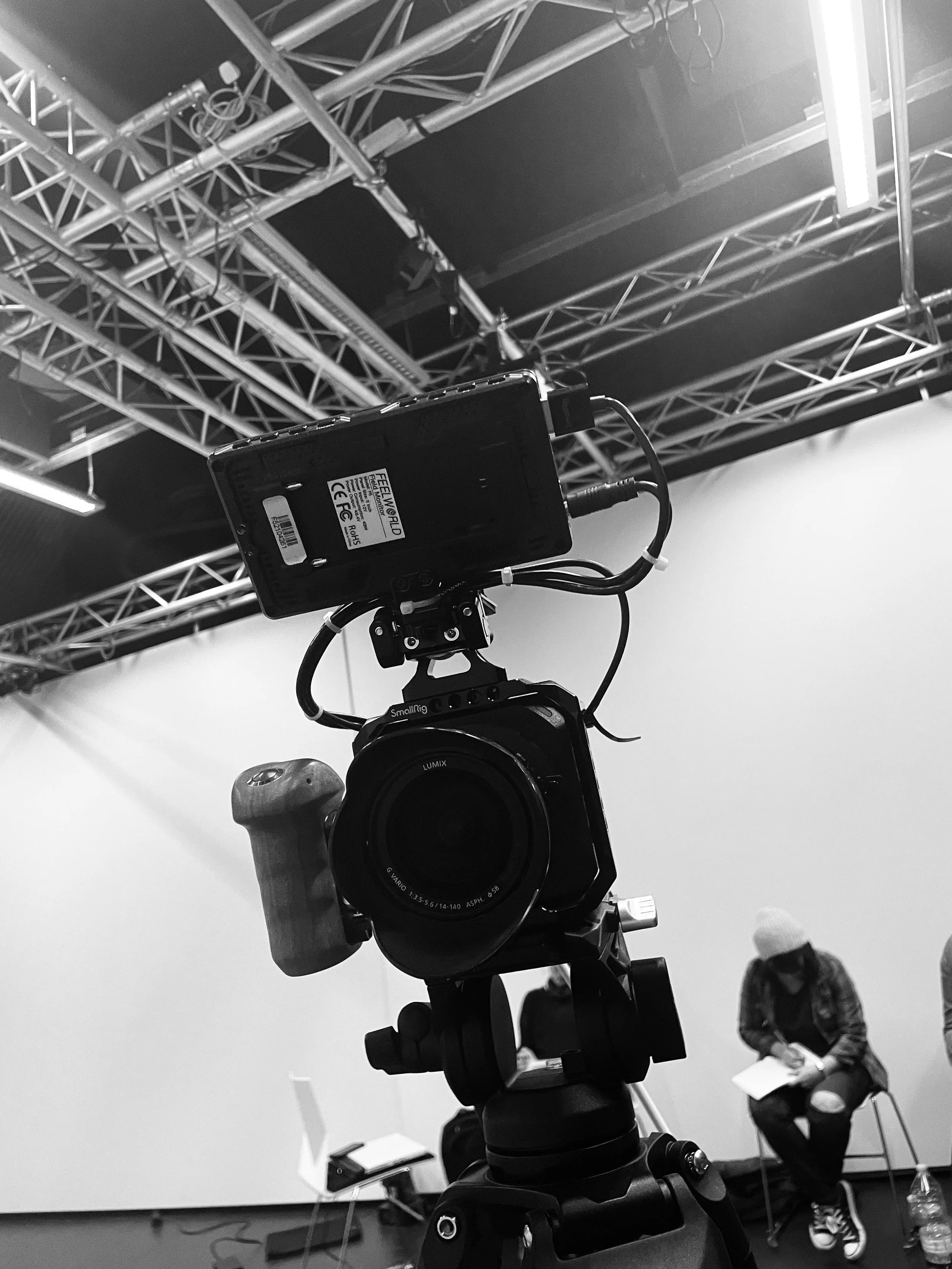
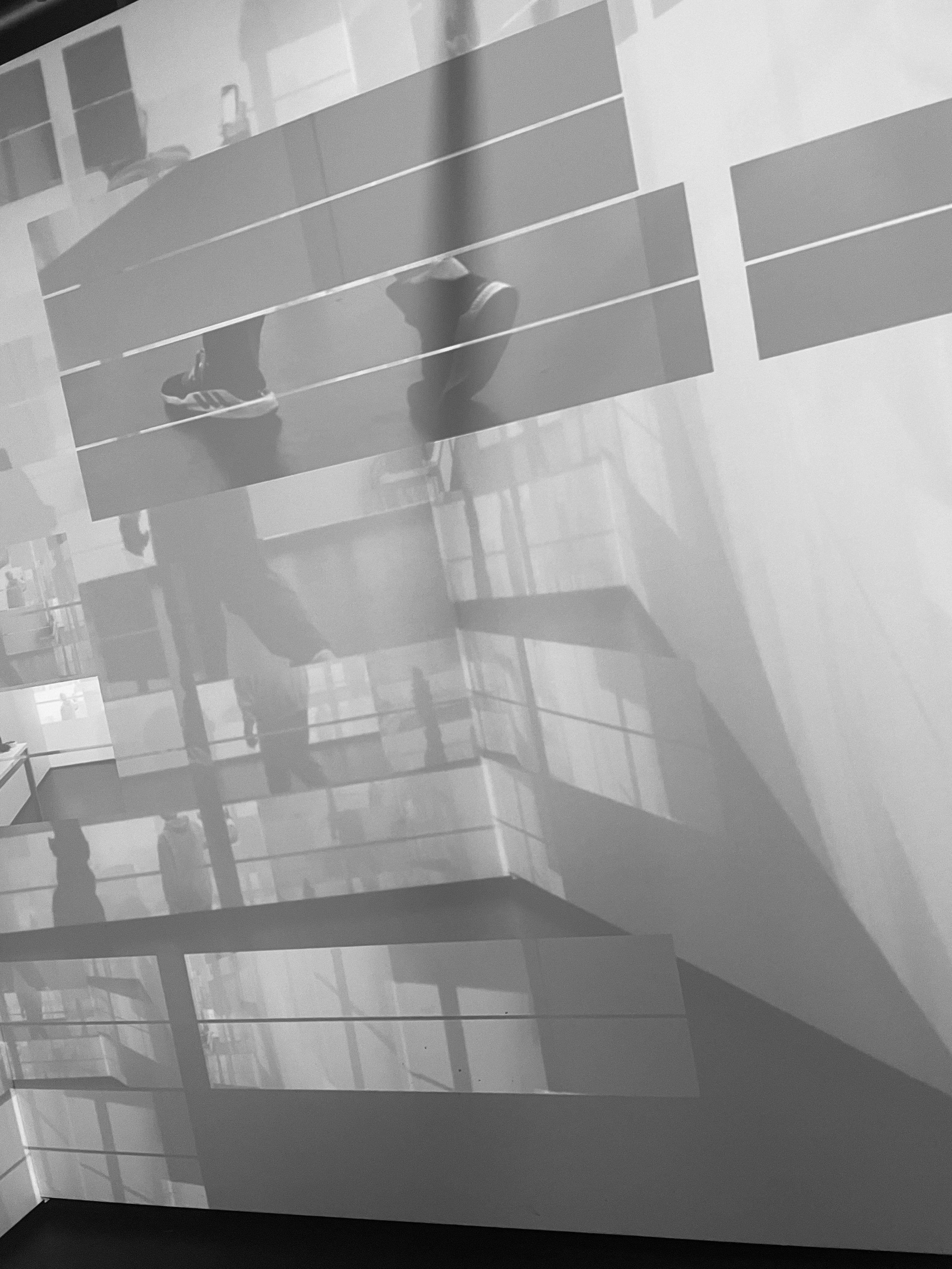
AR / VR — ARTIST RESIDENCY
During the 12-week artist residency with Open Online Theatre, I explored how Augmented and Virtual Reality could extend my performance practice into immersive digital environments.
Working with montage and fragmentation — recurring methods within my creative practice — I investigated how film, sound, performance and digital objects could be layered through AR to construct a world that audiences could physically move through.
Rather than replacing the real environment, the experiment explored the tension between the physical and augmented: allowing audiences to walk through a real space while encountering fragments of my original performance, film and sound.
Creative Direction · AR/VR Experimentation · Performance · Film · Sound · Immersive Experience
R&D / EXPERIMENTS
01 / FRAGMENT
Breaking performance apart
I began by testing how montage and fragmentation, methods already central to my creative practice, could translate into AR and VR.
Rather than presenting performance as a single linear work, I experimented with breaking film, movement, sound, imagery and the body into separate elements. These fragments could then be layered, repositioned and reconstructed digitally.
The experiment asked: what happens when a performance is no longer something we simply watch, but something that can be dismantled and rebuilt around us?
02 / SPACE
Moving through the work
I then explored how these fragments could exist within physical and augmented space.
Using projection, motion capture, digital environments and spatial experimentation, I investigated how virtual material could interact with real architecture and the presence of the audience. - potentially dancing with yourself, moving with your avitar in AR / VR instead of acting like your controlling it.
Instead of positioning the viewer in front of a screen, or as a controller, the aim was to create an environment in which participants could move between and through fragments of image, sound and performance — experiencing the work differently depending on where they stood, looked or moved.
The physical world remained visible, while digital layers disrupted and extended it. Audience was to be adaptive of the enviorment instead of an active audience particpant.
03 / LEARNING
From spectatorship to encounter
The residency shifted my thinking from creating work that is watched towards creating work that is encountered or controlled.
I discovered that AR offered a particularly interesting extension of my montage practice: fragments no longer needed to exist only within the frame of a film. They could potentially occupy walls, bodies, objects and architectural space, allowing the audience to construct their own relationship with the work through movement.
This opened a new question within my practice:
Can montage become spatial?
Rather than controlling the exact sequence in which an audience experiences a work, AR creates the possibility of building a fragmented world that audiences can navigate, discover and assemble for themselves.
lxvi_thevisualmixtape.3pg

Image taken by Levi Hibbert at skiint.nl event in Amsterdam 2015
Multimedia Performance & Visual Mixtape
“lxvi_thevisualmixtape.3pg” is a multimedia performance exploring Black queer expression through music, experimental film and digital culture.
Created during the COVID-19 pandemic, the work reimagines the live-streamed music event as a space for artistic experimentation and queer self-representation. Drawing on DJ culture, New Queer Cinema and online broadcasting, LXVI combines original music, pre-recorded DJ mixes, moving image and performance to construct a fragmented visual mixtape.
Blurring the boundaries between artist, filmmaker, musician and creative director, the work challenges conventional representations of Black masculinity and queerness while inviting the audience into LXVI’s evolving creative practice.
2021
Film, performance, original music, DJ mix, digital broadcast
The Case Study.
Artistic leadership encompasses elements of entrepreneurship, creativity and management.
Records labels in the millennial era are now more than ever multifaceted. They are not only responsible for the distribution of music and artists’ work but are also behind some of the most well-established club nights, events and festivals all over the world.
Defected Records is one the most respected and biggest brands in global dance music. it was founded in London by Simon Dunmore in 1999. It was launched in the wake of Dunmore’s career as a highly respected and accredited A&R in dance music. The company hosts a back catalogue of underground house records such as “Finally” by Kings of Tomorrow, “Can’t Get Enough” by Soulsearcher, as well as more recently CamelPhat’s Grammy Award-winning “Cola” (Griffiths, 2021). There are over 120 Defected club events and festivals across the world, with more than 300K annual attendees (Resident Advisor, 2021).
During this pandemic, records labels adapted to the COVID-19 restrictions that have put a stop to large gatherings. UK Label Defected Records is a leading example of such change and was one of the first to experiment with digital live music events. On the 20th March 2020, the label hosted a ground-breaking 12-hour virtual festival from an empty Ministry of Sound. The festival was broadcast on Facebook Live and reached over 6 million people, 13 million impressions and 1.4million engagements (Creative Review, 2021). Streaming and broadcasting music is not new to the music scene. Pre-recorded and live shows from brands such as Boiler Room that date back to 2011, are at the core of the brands’ identity (Boiler Room, 2021). However, Defected’s Virtual Festival has been noted as the most ambitious and successful musical digital experience to date, after breaking Facebook records and adding 2.6m followers to their social media following (Griffiths, 2021). Head of Digital – Entertainment at The 7 Stars, Jim Stannard, stated “Defected Virtual Festival really set the standard for LIVE – finding a perfect balance of entertainment and connectivity that audiences are craving at this time” (Creative Review, 2021).
Many labels, event organisers, and DJ’s alike have now followed suit, appealing to an at-home audience within the restrictions of COVID-19 and I plan to do the same during my performance using my own artistic leadership and contemporary performance practice. I will live-stream a performance of my montage techniques which incorporate; pre-recorded music-mixes, experimental film and visual art, original music production and spoken-word.
The Performance.
My performance will be an alternative take on a Defected Record live-stream, showcasing my experimentation as a music producer and film maker to exhibit a track which, will be available to pre-order after the launch of the proposed event on the 22nd April. It will engage with the audience by presenting my aesthetics as an artist and leader in black queer expression. I will bring the audience into my creative process by documentary-style film and performance-based techniques. One of the aims of the performance is to offer a contribution to New Queer Cinema. As Michele Aron suggests, “the most striking effect of New Queer Cinema has been its intervention into this process of disavowal so intrinsic to mainstream spectatorship” (Aaron, 2004). As a queer artist I feel it important to continue to challenge, adapt and experiment with the systems of white heteronormativity.
I plan to incorporate interactivity by offering the further action of being able to purchase and consume a physical copy of the musical material presented.
As part of the evening, I will also jointly present interview style curated film, in which the audience is offered a deeper insight into the work we do and have done, the artists we are, and the social context our work addresses. The intention of this interview is to create curiosity within the audience, which they will then be able to explore by interacting in a live Q&A about our practice and performance.
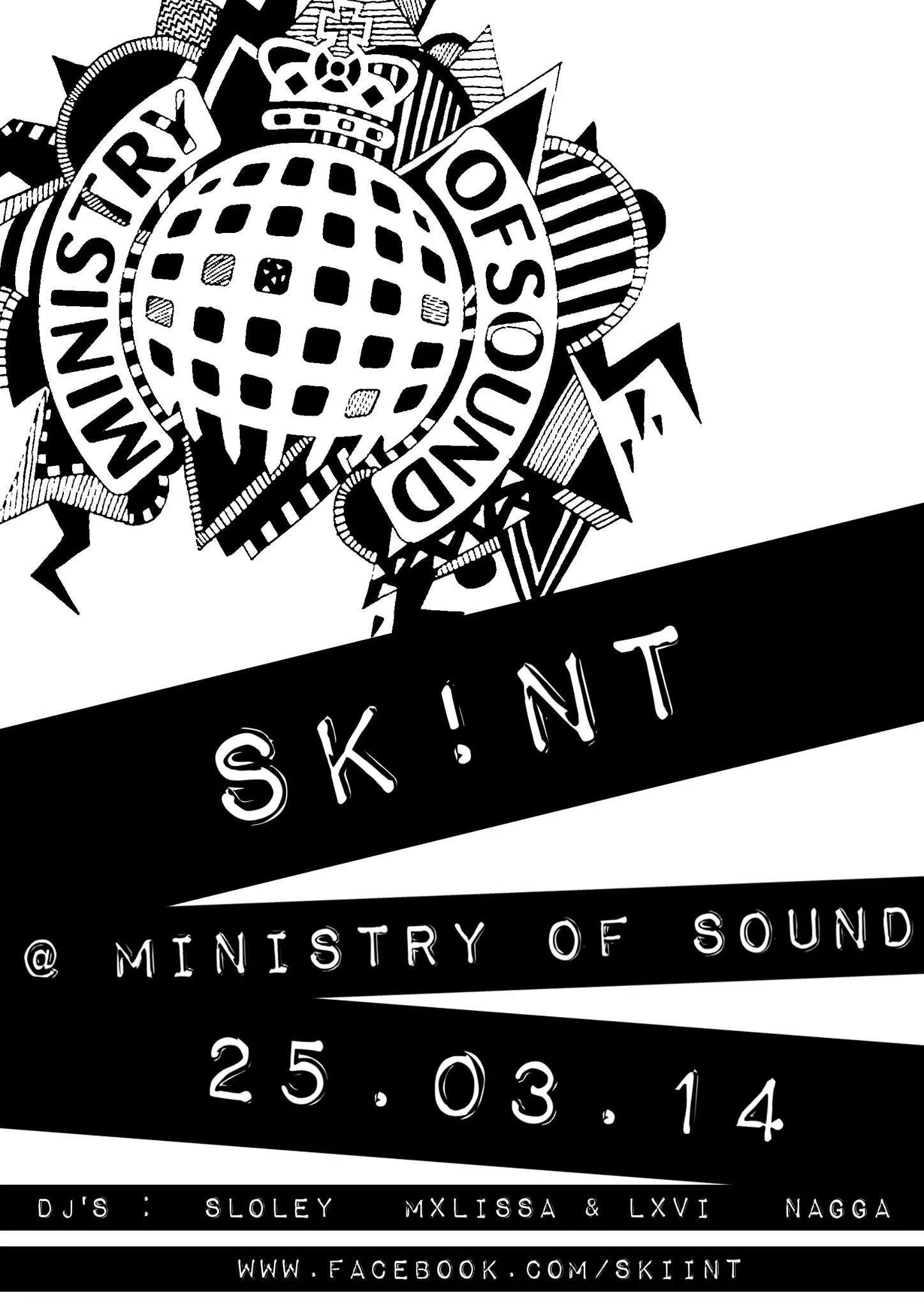
I am also using this event to showcase promotional material for my own label Importedrecords.wtf in which on which my track will be released. Importedrecords.wtf is a sister brand to my current brand SK!NT. Importedrecords.wtf will focus more specifically (but not exclusively) on Black Queer Artists, Art and expression (skiint, 2021).
Then / Now / Where.
Due to the current pandemic, I feel my work will be best situated online until there are clearer guidelines in regard to the opening of art venues. By focusing on an online presence, I can build up a new following before being able to present my work in the physical with the use of installations and live-art. It will also be a great way to experiment with installations, projection and how this translates into film and within broadcasting and live streaming.
The engagement and social-media-following can be gained from the successful execution of an innovative idea, as in the case of the Defected Virtual Festival, which led to further sponsorship possibilities, greater engagement and brand awareness (Stewart, 2020). Therefore, not only am I taking inspiration from their event, but also as a business model to raise my brand awareness and artistic outputs. Being able to connect with international audiences with minimal cost, will hopefully lead to me creating works that can transverse borders.
Within black culture in particular, there seems to still be problems and systems which oppress my counterparts across the globe. Although the practicalities may differ, restrictions are prevalent. A study from the European Union Agency for Fundamental Rights found “Race-related violence, discriminatory police profiling, and discrimination in the search for jobs and housing were commonplace for many,” (BBC, 2018). After building up a bigger portfolio and network of creatives, I would like to present my work in Amsterdam and Paris. I believe my work can help and target more specific communities within these two cities, practically, due to location and also my own experience of living, working and visiting those locations.
Spaces, art galleries and venues across Europe which can facilitate stage, sound and art installations, such as the Grande Halle de la Villette would be ideal locations to present my work due to the nature of how I envisage my curated art.
List of equipment.
ACID Pro 10, Reason, - Digital Audio Workstation
Adobe Creative Cloud
Home Environment, Local Studios, and Software on MacBook and PC
UEL Studio, Recording, Dance and Video Editing Suites
Microsoft Teams
Abstract.
NSFW
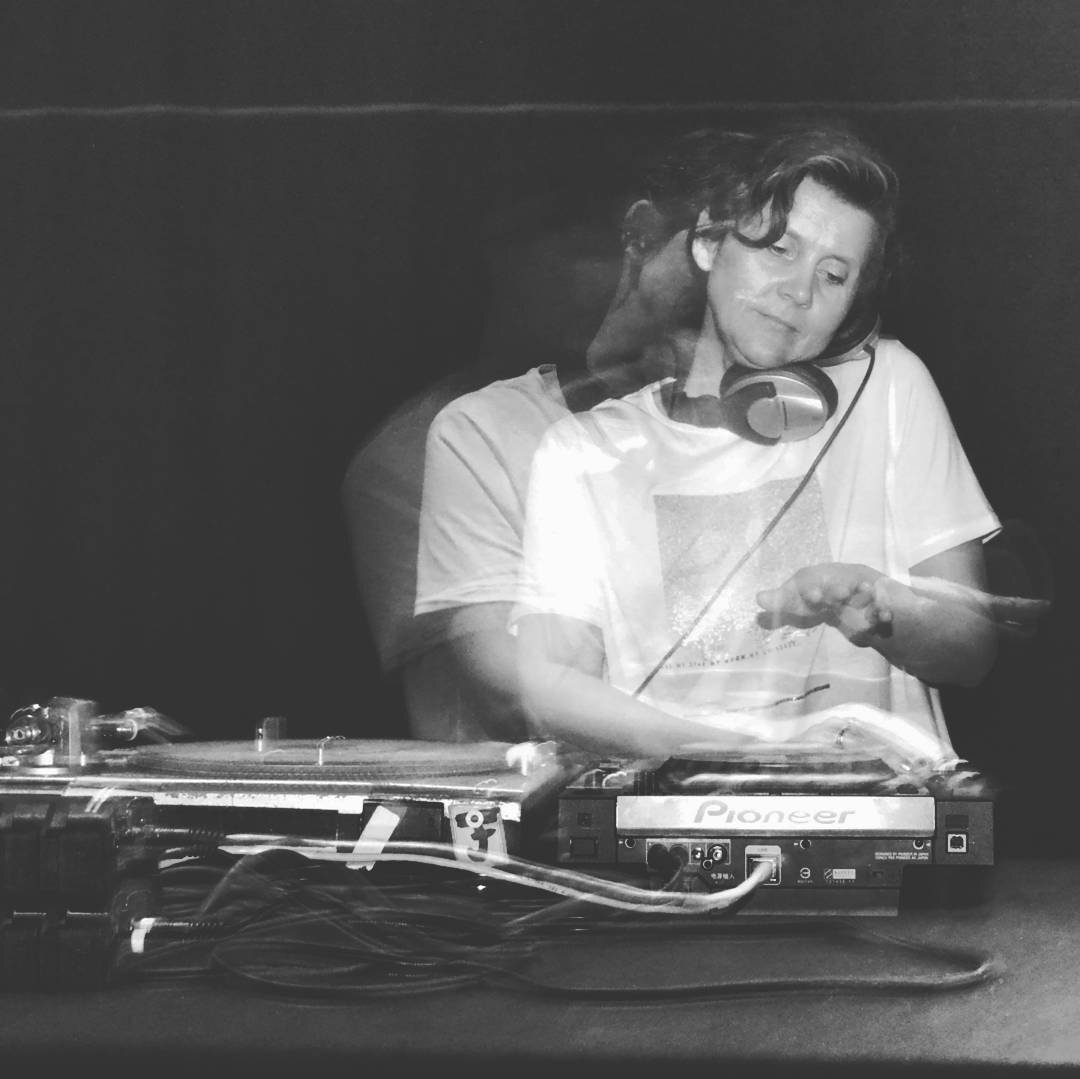
Image taken by Levi Hibbert at skiint.nl event in Amsterdam 2015
References.
Aaron, M., 2004. New Queer Cinema: A Critical Reader. Edinburgh: Edinburgh University Press.
BBC, 2018. Racism against black people in EU 'widespread and entrenched'. [Online]
Available at: https://www.bbc.co.uk/news/world-europe-46369046
[Accessed 11 04 2021].
Boiler Room, 2021. Boiler Room - Live Performances. [Online]
Available at: https://boilerroom.tv/format/live-performances/16
[Accessed 11 04 2021].
Creative Review, 2021. Great Work: Defected Records' Virtual Music Festival. [Online]
Available at: https://www.creativereview.co.uk/great-work-defected-records-virtual-music-festival
[Accessed 2021 04 2021].
Griffiths, S., 2021. How record company Defected defeated the pandemic. [Online]
Available at: https://www.ft.com/content/f5b17ed0-01f0-4179-82d0-b50c98f437a7
[Accessed 11 04 2021].
Resident Advisor, 2021. Defected Records. [Online]
Available at: https://ra.co/labels/45
[Accessed 11 04 2021].
skiint, 2021. skiint. [Online]
Available at: www.facebook.com/skiint
[Accessed 11 04 2021].
Stewart, R., 2020. The beat goes on for Defected's virtual festival post-lockdown, but sponsors can wait. [Online]
Available at: https://www.thedrum.com/news/2020/04/17/the-beat-goes-defecteds-virtual-festival-post-lockdown-sponsors-can-wait
[Accessed 11 04 2021].
“LOG ON” - A Critical Reflection
LOG ON
Multimedia Film & Performance Installation
Log On is a multimedia film and performance project exploring the intersection of Black masculinity, queer identity and Grime culture. Through film, original music, dance, performance and montage, the work investigates how ideas of masculinity are constructed, performed and challenged within Black British culture.
The project draws inspiration from Isaac Julien’s Looking for Langston and Marlon Riggs’ Tongues Untied, two significant works associated with New Queer Cinema. Both films demonstrate what B. Ruby Rich characterised as the movement’s “fresh, stylistically daring, edgy, inventive, unapologetic” approach to filmmaking. More importantly, they created forms of Black queer expression that contributed to the wider cultural and political conversations of their time.
Taking inspiration from these works, Log On considers what a contemporary Black queer film might look and sound like when situated within the cultural landscape of East London and the generation shaped by Grime.
The project asks how the visual and sonic codes associated with Black masculinity might be disrupted, reclaimed and ultimately reimagined through queer experience.
Concept
At the centre of Log On is a dramatisation of life from the perspective of a 1990s-born, Class of ’07 Black gay man who grew up through Grime’s cultural influence while navigating the streets of East London.
Grime provides an important cultural backdrop because its influence extended far beyond music. It created its own visual language through fashion, music videos, dance, slang and representations of urban life. For a generation growing up in London during the 2000s, these codes became closely connected to particular ideas of Black British masculinity.
The project therefore uses my own relationship with Grime as a starting point for questioning masculinity.
What is masculinity? What does Black masculinity look like? What is femininity? Can femininity become an expression of masculinity? Does sexuality have a sound? Can music sound homophobic?
These questions form the creative foundation of the work.
Rather than attempting to provide definitive answers, Log On uses performance and moving image as spaces in which these contradictions can be explored.
Grime & Black Masculinity
Grime emerged from the social and cultural landscape of early-2000s London and became particularly influential within Black British youth culture. Alongside its music came a recognisable visual and physical aesthetic that frequently presented masculinity as intimidating, tough, emotionally guarded, heterosexual and hypermasculine.
These characteristics were communicated not only through lyrics, but through clothing, movement, music videos, performance and the physical behaviour associated with the culture.
During my research, I initially became interested in the relationship between Grime and homophobia. Several articles and texts connected the genre with homophobic attitudes, yet I struggled to locate the explicit homophobic language I expected to find within the music itself.
This led to a more interesting question:
What makes Grime feel homophobic if the homophobia is not always explicitly present within the lyrics?
My research began to suggest that the answer may exist within the wider performance of masculinity surrounding the genre.
The deep-rooted hypermasculinity associated with Grime, combined with particular representations of Black culture, can produce an environment that appears overtly heterosexual, un-effeminate and aggressive. This does not necessarily mean that Grime itself is inherently homophobic. Instead, it raises questions about how heteronormativity can become embedded within the visual and behavioural codes surrounding a cultural movement.
Jeffrey Boakye’s Hold Tight: Black Masculinity, Millennials and the Meaning of Grime became particularly important to this thinking. Boakye explores Grime as a subculture capable of providing a voice for marginalised Black communities while simultaneously producing an image of Blackness that can be consumed by the mainstream. Central to this image is a very particular representation of Black masculinity.
For a Black gay man who grew up within this culture, that relationship becomes complicated.
Grime could simultaneously provide a sense of cultural belonging while presenting forms of masculinity that appeared incompatible with openly queer expression.
Performing Masculinity
This research also encouraged me to question the extent to which Grime influenced my own performance of masculinity.
Did the excessive representation of the Black hypermasculine image allow me to adopt aspects of that persona? Did the aggressive sonic undertones of Grime, particularly in comparison with its predecessor UK Garage, affect the way I danced, dressed or carried myself?
Was I performing a character in order to exist comfortably within these environments, or had those behaviours become an authentic part of my identity?
These questions moved the project away from simply investigating Grime as a potentially homophobic space. Instead, I became interested in how queer people adapt to and exist within cultural environments structured around heterosexuality.
Grime allowed gay men like myself to experience Black hypermasculine homosociality from within. Rather than existing entirely outside these spaces, queer men could learn their codes, participate in them and sometimes adopt aspects of their masculinity.
The project therefore became increasingly interested in the possibility that masculinity is not fixed, but assembled through different cultural experiences.
New Queer Cinema & Montage
The filmmaking of Isaac Julien and Marlon Riggs provides an important visual and methodological influence for Log On.
Looking for Langston and Tongues Untied created representations of Black queer life through combinations of poetry, music, archival imagery, autobiography, performance and fictional reconstruction. Rather than presenting straightforward narratives, both filmmakers used these fragments to construct wider emotional and political meanings.
I wanted to adopt a similar approach while placing the work within a contemporary Black British context.
Montage therefore became central to my practice.
During the research process, I began considering how historical and contemporary images might be placed beside one another to create new meanings. Grime videos, Black Lives Matter footage, images of Black oppression, political events, popular culture and fragments from the history of queer cinema could exist alongside fictional scenes and autobiographical material.
The intention is not simply to reference these moments but to create relationships between them.
Through montage, Log On can move between the personal and political, past and present, masculine and feminine, reality and fiction.
Narrative Development
Running underneath the wider cultural themes of the film is an intimate love story set in London.
The narrative follows two Black gay men and a mannequin, using surreal and symbolic imagery to explore secrecy, intimacy, vulnerability and relationships.
The mannequin represents the presence of a third person within the relationship, while a cloud becomes a physical representation of love, passed between characters throughout the film.
The emotional structure of this story developed from my remix of Keri Hilson’s Tell Him the Truth. The original song explores the emotional consequences of keeping a secret from someone you love. I became interested in taking this narrative and repositioning it within a gay relationship.
Rather than creating a literal adaptation of the lyrics, the song becomes an emotional framework through which the characters navigate honesty, desire and vulnerability.
Like Looking for Langston, the intention is to allow the artistic narrative to exist within a much broader exploration of Black culture, sexuality and identity.
The love story gives the political questions within the film a human and intimate centre.
Music & Sound
Music became another method through which I could investigate masculinity.
During the research and development process, I created two pieces of music that represent different emotional territories within the project.
The first, Tom, was created using the stylistic characteristics of Grime. I wanted to use the aggressive sonic qualities associated with the genre to express my own frustrations surrounding oppression and homophobia experienced within Black culture.
However, rather than simply reproducing hypermasculinity, I became interested in what would happen when this sound was placed against imagery containing both masculine and feminine expression.
A hypermasculine sound could accompany a queer body.
The second experiment was my remix of Keri Hilson’s Tell Him the Truth. Where Tom explores aggression and masculinity, this track introduces vulnerability, secrecy and romance.
Together, the pieces began creating a tension between public masculinity and private vulnerability, which became increasingly important to the wider film.
Movement Research
Dance provided an opportunity to explore these ideas physically.
I began by looking at movements performed in response to Grime and other forms of urban music and questioning why particular gestures are immediately understood as masculine.
Rather than rejecting these movements, I experimented with combining them with movement that might traditionally be perceived as feminine.
The aim was to investigate whether a new movement language could emerge—one capable of containing Black masculinity and queer expression simultaneously.
An R&D workshop allowed me to begin testing these ideas with performers. Through the workshop, I became increasingly interested in the body as a site where supposedly contradictory identities could coexist.
Masculinity did not necessarily have to disappear for femininity to become visible.
Both could exist within the same body.
Queer Visibility
The project also developed alongside wider conversations surrounding Black queer visibility within popular culture.
Artists including Frank Ocean, Lil Nas X and Kevin Abstract have achieved significant mainstream success while challenging expectations surrounding Black masculinity and sexuality. Their careers raise questions about how and when queer Black expression becomes acceptable within mainstream culture.
Other artists, including UK performers Karnage Kills and Mr Strange, have positioned their sexuality at the forefront of their artistic identities from the beginning of their careers.
These different approaches raise important questions for my own practice.
How can an artist challenge heteronormativity without simply reproducing the structures they are attempting to resist? Does queer expression become more commercially acceptable when it conforms to recognisable forms of masculinity? And how can Black queer artists create work that remains culturally specific without becoming restricted by expectations of what Blackness or queerness should look like?
Rather than attempting to create a universally representative image of Black gay identity, Log On responds specifically to my own cultural experience as a Black gay man shaped by London, Grime and Black British culture.
Research & Development
The development of Log On took place during COVID-19 restrictions, which significantly affected the practical research process.
The movement workshop was conducted with actors rather than trained dancers and had to operate within limited rehearsal time. This affected how extensively I could develop the choreography and prevented me from fully experimenting with dance-for-camera.
Collaboration within the music production process was similarly affected. I had originally intended to work directly with musicians and artists in the studio, but restrictions made this difficult. I attempted to facilitate collaboration remotely by sharing music files with research participants, but limited responses eventually led me to produce the music independently.
Although these restrictions created challenges, they also changed my understanding of my own practice.
I realised that I had attempted to occupy too many creative roles simultaneously. Going forward, elements of production could be delegated to collaborators, allowing me to concentrate more clearly on the overall artistic direction of the work.
At the same time, the process demonstrated that I could independently produce film, sound and performance material when necessary.
Breakthrough
The most important development to emerge from Log On was a change in how I understood masculinity within my own practice.
At the beginning of the research, I was interested in using Grime as a way of expressing my own masculinity and Black identity.
As the work developed, I became less interested in reproducing an existing version of Black masculinity and more interested in creating my own.
Tony Coles’ concept of mosaic masculinities became useful here. Coles describes how individuals can draw upon fragments of hegemonic masculinity that they are capable of performing and combine them with other experiences to construct their own understanding of masculinity.
This offered a way of understanding what was happening within my creative practice.
I did not have to choose between masculinity and femininity, Blackness and queerness, Grime and queer culture.
Instead, these different cultural languages could be fragmented, combined and reconstructed.
My thinking therefore shifted from using Grime to express my own masculinity and Black identity towards creating a new artistic practice capable of embodying Black masculinity and queer expression visually.
This became the central breakthrough of the project.
Moving Forward
Log On ultimately became less about determining whether Grime itself is homophobic and more about understanding how masculinity is culturally produced, performed and negotiated.
The project uses Grime because it represents a cultural language that shaped my generation and my own relationship with Black masculinity. Rather than rejecting that history, I want to take its sounds, movements and aesthetics and place them into conversation with queer cinema, femininity, intimacy and vulnerability.
In this sense, the work follows the artistic lineage established by Tongues Untied and Looking for Langston. Both films created Black queer expression that responded directly to their cultural moment while contributing something new to the representation of Black queer life.
Log On attempts to continue that conversation from the perspective of a Black gay man shaped by twenty-first-century East London.
Through film, sound, dance and montage, I want to create work that does not simply ask whether Black masculinity can accommodate queerness.
I want to explore what Black masculinity can become when queerness is already understood as part of it.
Selected Bibliography
Aaron, M. (2004). New Queer Cinema. Edinburgh: Edinburgh University Press.
Boakye, J. (2017). Hold Tight: Black Masculinity, Millennials and the Meaning of Grime. London: Influx Press.
Boakye, J. (2019). Black, Listed: Black British Culture Explored. London: Dialogue Books.
Bramwell, R. (2015). UK Hip-Hop, Grime and the City: The Aesthetics and Ethics of London’s Rap Scenes. New York: Taylor & Francis Group.
Coles, T. (2008). “Finding Space in the Field of Masculinity: Lived Experience of Men’s Masculinities.” Journal of Sociology, 44(3), 233–248.
Gunter, A. (2010). Growing Up Bad? Black Youth, ‘Road’ Culture and Badness in an East London Neighbourhood. London: Tufnell Press.
Haywood, C. et al. (2018). The Conundrum of Masculinity: Hegemony, Homosociality, Homophobia and Heteronormativity. New York: Routledge.
2021
Film, sound, dance, performance, research & montage
“LOG ON” - Production / Practice Portfolio
Immersive Theatre: Developing Log On
Introduction
Log On developed from an exploration of immersive theatre, audience participation, Black masculinity and queer expression. The work began with a relatively simple question: how can an audience become immersed in a performance rather than simply watch it?
As the project developed, that question became much broader. I became interested in what happens when the audience is not only physically present within a performance space, but becomes part of the work itself. I began thinking about participation, social media, the body, projection, surveillance and the ways in which Black masculinity and queer identity are seen, interpreted and performed.
The final work became a combination of projected film, live performance, silhouette, sound and physical space. Although the project began as an exploration of immersive theatre, it gradually developed into something closer to an installation, deliberately blurring the boundaries between film, performance and audience experience.
Finding Immersion
At the beginning of the project, I looked at two pieces of work: Still Here by Access All Areas Theatre and Perfect Instaby Coney.
What interested me about Still Here was the way the audience could become lost within the storytelling. The work placed the audience within a real environment while combining movement, poetry and soundtrack. Rather than simply observing a story, the act of moving through the space became part of experiencing it.
Perfect Insta approached participation differently. The audience was required to do something themselves. The act of taking a photograph became part of the work, with the audience simultaneously becoming both consumer and producer.
These ideas led me towards the concept of the prosumer: someone who both consumes and produces an experience.
I began asking myself:
How can I create an immersive experience within a theatre setting?
And:
How can I engage the audience through participation rather than simply asking them to watch?
I started to distinguish between immersion and participation. Participation is about doing, controlling or contributing to what is happening. Immersion is about becoming lost within a space, atmosphere or moment.
This distinction became important to the development of the work. I wanted the audience to feel that they had entered a world, but I also wanted their presence and actions to have the potential to affect that world.
From Immersive Theatre to Installation
My initial idea was to create an immersive theatre experience in which the audience would move around a space while watching projected film and interacting with the work through social media.
One of my early ideas was called “Guilty by Association.”
The concept involved audiences submitting words, reactions, hashtags or comments through social media. These could then become part of the projected environment. The words would accumulate around the performance, creating a visual representation of the audience's responses.
I was particularly interested in this in relation to stereotypes surrounding Black men.
The audience could contribute to the experience without necessarily feeling as though they were completing a formal task. Social media had already made this kind of behaviour normal: taking photographs, posting reactions, commenting and sharing.
I also considered using audience-generated photographs and videos within the installation. If the work were presented on a loop, each audience could potentially change what the next audience encountered.
The performance would therefore never be completely identical.
This was where the concept of the prosumer became particularly useful. The audience would not simply consume the work; they would contribute to its production.
However, the practical limitations of the space eventually meant that I had to scale this idea back. After discussing the project with the technical team, I realised that some of the elements I had imagined were not possible within the available space and resources.
Rather than seeing this as a failure, I used the limitations to reconsider what the work actually needed.
The project became smaller, more focused and more visual.
The Body, Surveillance and the Gaze
I wanted the introduction to the work to immediately establish an atmosphere.
One of the earliest visual ideas was a CCTV-style image of myself filmed from behind and from a slightly elevated angle.
The image was partly influenced by ideas around voyeurism and psychoanalysis, but it was also connected to the stereotypes imposed upon young Black men.
The image of the Black male body is rarely neutral.
It can be read through assumptions about criminality, aggression, sexuality, masculinity and danger before the individual has even been encountered.
I wanted to play with that act of looking.
The audience would be watching me, but I also wanted the work to make them conscious of how they were watching.
This led me towards the work of Edward Said and Laura Mulvey, particularly ideas around othering and the male gaze.
Said's discussion of the construction of the “Other” helped me think about how cultural hierarchies create binaries between what is considered normal and what is considered different.
Mulvey's writing around the male gaze, meanwhile, made me consider the relationship between looking, objectification and power.
I began asking:
What happens when the Black male body becomes the object of the gaze?
And:
What happens when that body is simultaneously masculine, queer, vulnerable and sexual?
These questions became central to the visual language of the piece.
Looking for Langston
Isaac Julien's Looking for Langston became an important reference point for the project.
What interested me was not simply the film's representation of Black queer desire, but its ability to challenge established ways of seeing Black masculinity.
I became particularly interested in the idea of “queering the gaze.”
Rather than accepting the visual codes through which Black masculinity has traditionally been represented, I wanted to manipulate, reframe and disrupt those codes.
My work therefore became a conversation between archival imagery, my own body, projected film and live performance.
I wanted to create something that felt dreamlike and fragmented rather than entirely literal.
The intention was not to reproduce Looking for Langston, but to take elements that resonated with me and place them within my own experience and artistic language.
The working title was initially Looking for LXVI, but I eventually changed it to Log On. The new title felt broader and more connected to the ideas of looking, surveillance, social media, participation and entering a digital or physical space.
Black Masculinity and Queer Expression
A major part of the project was my relationship with Black masculinity.
Growing up with grime and UK urban music culture, I became interested in the way masculinity is performed through music, movement, clothing, gesture and social interaction.
The body language associated with grime can communicate strength, aggression and confidence. But these same codes can also become restrictive when they are connected to homophobia or rigid ideas about what a man should be.
I wanted to explore this contradiction.
The performance uses movement associated with grime and Black music culture, but places those movements within a queer context.
The intention was not to reject those movements or the culture from which they came. Instead, I wanted to explore what happens when those codes are inhabited by a Black queer body.
This became connected to José Esteban Muñoz's concept of disidentification.
Disidentification provided a useful way of thinking about how minority subjects can negotiate dominant cultural codes without simply accepting or rejecting them.
For me, this meant taking familiar representations of Black masculinity and transforming them from within.
I could perform masculinity while simultaneously questioning what masculinity was supposed to look like.
I could be aggressive and soft.
Masculine and feminine.
Visible and hidden.
Familiar and ambiguous.
These contradictions became part of the performance language.
The Vulnerable Observer
Ruth Behar's The Vulnerable Observer also influenced the way I thought about my position within the work.
The more personal the project became, the more I had to consider what it meant to use my own experiences as material.
There is vulnerability in making work about your own identity.
The work can never represent every Black queer experience, because my experience is my own.
This became particularly important when thinking about representation.
I did not want to create a work that suggested there was one universal Black or queer experience. Instead, I wanted to create something rooted in my own perspective while allowing other people to find their own points of connection within it.
This also made me think about how work by Black and queer artists is often positioned by institutions and audiences.
There can be a tendency to categorise work according to the identity of the artist before engaging with the work itself.
I wanted Log On to be Black and queer without being reduced to being “Black queer art.”
I wanted it to be personal without becoming inaccessible.
I wanted it to communicate something specific while leaving space for different interpretations.
Negotiating the Border
Gloria Anzaldúa's Borderlands helped me think about this tension further.
The idea of borders became a useful metaphor for thinking about identity, culture and belonging.
There are physical borders, cultural borders and social borders. There are also invisible boundaries around what we are expected to be.
For me, being between different cultural, social and artistic spaces has always influenced how I understand identity.
I became interested in what happens when you cross those boundaries rather than remain neatly within them.
Log On therefore became an attempt to exist between categories:
Between film and theatre.
Between installation and performance.
Between masculinity and femininity.
Between mainstream and underground culture.
Between spectator and participant.
Between Black cultural expression and queer expression.
The work did not need to resolve these contradictions.
It needed to sit within them.
Making the Work
The production process was highly experimental.
I entered the initial performance sharing with a general idea rather than a completed film. I deliberately wanted to understand what was possible within the space before committing to the final production.
This proved important because several elements of my original plan were not technically possible.
The second projector I had planned to use was not powerful enough for the space, and I could not create the raised platform I had originally imagined for the audience.
There were also questions around the silhouette and whether it had a clear enough purpose.
As a result, I scaled the performance back.
The silhouette became integrated with the projected film, appearing in both the recorded and live environments. Props were illuminated at particular moments to create transitions between what the audience saw on screen and what they experienced in the physical space.
Rather than trying to force the original concept into the space, I allowed the limitations of the space to reshape the work.
Filming
The filming process was equally experimental.
I did not have every shot planned in advance. Instead, I knew the visual language I wanted to explore and used the filming sessions to discover what worked.
The first filming day involved a lot of trial and error.
Some of the strongest footage came from moments that were not necessarily planned. Working under pressure also forced me to make quicker creative decisions and become more selective about what belonged in the final piece.
The second filming day changed the direction of the work further.
One of the performers cancelled, leaving me to work with a single performer. Unexpectedly, this created an opportunity.
The story became less literal.
Instead of presenting a straightforward gay love story, I began experimenting with ambiguity.
The figures did not necessarily need to represent specific characters.
They could represent bodies, relationships, identities or possibilities.
This ambiguity became increasingly important.
I wanted the audience to question what they were seeing rather than immediately being given an answer.
Gesture and Homosociality
One of the recurring visual elements was the use of familiar greetings and gestures within Black culture.
These gestures became a way of exploring homosociality.
Within UK Black music culture, particularly around grime and other urban genres, masculinity is often communicated through physical interaction, posture and movement.
I wanted to reproduce some of these gestures but place them within a different context.
The same gesture could communicate friendship, masculinity, intimacy or even tension depending on how it was presented.
This became another way of questioning the boundaries between masculinity and queerness.
The movement itself does not necessarily belong to one identity.
Its meaning can change depending on who performs it, where it is performed and who is watching.
Ambiguity, Objects and the Body
As the filming progressed, I became increasingly interested in ambiguity.
I experimented with props, projections and silhouettes rather than relying solely on the body itself to communicate meaning.
I also began exploring phallic imagery.
Earlier in my practice I had used nudity as a powerful visual device, particularly through the juxtaposition of a vulnerable Black male body with the masculine visual language of the urban environment.
For Log On, I did not want to simply repeat that approach.
Instead, I wanted to suggest sexuality rather than make it explicit.
The silhouette became particularly useful for this.
It allowed the body to be present while remaining partially hidden.
The audience could recognise a body without necessarily being given complete access to it.
This became connected to ideas around racial fetishism and the historical reduction of Black male bodies to sexuality.
Rather than showing the body completely, I used fragmentation, shadow, movement and projection.
The body became something to interpret.
Filming Myself
One of the later stages involved filming myself.
I experimented with showing my face and concealing it. I questioned whether I wanted to be recognisable within the film or whether my presence should remain ambiguous.
I also spent considerable time developing the silhouette.
The silhouette needed to work in the film but also be reproducible within the live performance.
This created technical challenges.
Because I was filming myself, the camera would sometimes become visible or the silhouette would become unclear. This meant repeatedly repositioning myself and starting again.
Although the process was time-consuming, the experimentation was worthwhile.
The silhouette eventually became one of the strongest visual devices within the work.
It allowed me to explore the body without relying on conventional representation.
Sound, Editing and Movement
I edited the film using Adobe Premiere Pro.
The editing process was guided by the relationship between movement, sound and imagery.
I wanted the opening to draw from the aggressive physicality associated with grime before gradually introducing more fluid and feminine movement.
This contrast reflected the wider research underpinning the project.
The soundtrack had an aggressive but suspenseful quality, particularly towards its ending. I wanted to work with that tension while introducing imagery influenced by New Queer Cinema and my own interpretation of Black masculinity.
The final film therefore became less about telling a straightforward narrative and more about creating an atmosphere.
Movement, sound, shadow, projection and fragmented imagery work together to create a particular emotional experience.
Creating the Introduction
I also created a separate introduction for the work.
I wanted the audience to feel that something was already happening before the main performance began.
This was influenced by my background in events and nightlife.
I have always been interested in how an audience can be prepared for an experience before the main event actually begins.
The introduction was therefore not simply an explanation of the performance.
It was part of the atmosphere.
It was intended to shift the audience's attention away from their everyday environment and towards the world of the work.
From Research to Practice
The theoretical research ultimately became a way of making decisions rather than something separate from the creative process.
Said helped me think about othering.
Mulvey helped me question the gaze.
Behar helped me consider vulnerability and autobiography.
Anzaldúa helped me think about borders and cultural belonging.
Muñoz helped me understand disidentification.
Amideo's writing on Isaac Julien helped me consider how Black masculinity could be visually reframed.
These ideas became embedded within the work through imagery, movement, projection and performance.
Rather than illustrating theory, I wanted to make through theory.
The research became something I could test physically.
What happens when a Black male body is placed under surveillance?
What happens when masculine movement is performed by a queer body?
What happens when the body is fragmented, hidden or projected?
What happens when the audience is made conscious of their own act of looking?
These questions became more important than finding definitive answers.
What Log On Became
When I first began the project, I imagined creating an immersive theatre experience with a highly participatory audience.
The final work was much more contained.
But that does not mean the original idea disappeared.
Instead, the project moved from immersive theatre towards an immersive visual experience.
The audience might not physically control the entire performance, but they are still implicated through the act of looking.
They encounter the Black male body through surveillance, projection, silhouette and fragmentation.
They are asked to negotiate ambiguity.
They are asked to consider what they expect masculinity to look like.
And, ultimately, they are asked to consider how they look.
For me, this became the central idea of Log On.
The work is not simply about Black masculinity.
It is not simply about queerness.
It is not simply about grime, film, theatre or installation.
It is about what happens when these things meet.
It is about the possibility of taking familiar cultural codes and transforming them.
It is about occupying the space between identities rather than feeling compelled to choose one.
And it is about creating an image of Black queer expression that is not defined solely by oppression, sexuality or representation, but by creativity, ambiguity, movement and agency.
Ultimately, Log On became an attempt to create work that could be personal without being exclusive, political without becoming didactic, and visually challenging without relying on shock for its own sake.
I wanted to make something that could be understood from different perspectives while remaining rooted in my own experience.
Something Black.
Something queer.
Something masculine and feminine.
Something familiar and unfamiliar.
Something to watch — but also something to question. - Check out the “LOG ON” visuals below
References
Access All Areas Theatre (2020), Still Here.
Alston, A. (2016), ‘The Promise of Experience: Immersive Theatre in the Experience Economy’, in J. Frieze (ed.), Reframing Immersive Theatre: The Politics and Pragmatics of Participatory Performance. Liverpool: Palgrave Macmillan.
Amideo, E. (2017), ‘Undoing Black Masculinity: Isaac Julien's Alternative Grammar of Visual Representation’, in Queering Masculinities in Language and Culture. London: Palgrave.
Anzaldúa, G. (1987), Borderlands/La Frontera: The New Mestiza. San Francisco: Aunt Lute Books.
Behar, R. (1996), The Vulnerable Observer. Boston: Beacon Press.
Boakye, J. (2017), Hold Tight: Black Masculinity, Millennials and the Meaning of Grime. London: Influx Press.
Coney (2019), Perfect Insta.
Gómez-Peña, G. (2001), ‘The New Global Culture: Somewhere Between Corporate Multiculturalism and the Mainstream Bizarre’, TDR/The Drama Review, pp. 7–30.
Harvie, J. (2013), Fair Play: Art, Performance and Neoliberalism. London: Palgrave Macmillan.
Haywood, C. et al. (2018), The Conundrum of Masculinity: Hegemony, Homosociality, Homophobia and Heteronormativity. New York: Routledge.
Mercer, K. (1999), ‘Reading Racial Fetishism: The Photographs of Robert Mapplethorpe’, in Visual Culture: The Reader. London: SAGE.
Mulvey, L. (2014), ‘Visual Pleasure and Narrative Cinema’ (1975), in Film Manifestos and Global Cinema Cultures. Berkeley: University of California Press.
Muñoz, J. E. (1999), Disidentifications: Queers of Color and the Performance of Politics. Minneapolis/London: University of Minnesota Press.
Said, E. (2018), ‘Introduction’ from Orientalism, in Classic Readings from Monster Theory. Amsterdam: Amsterdam University Press.
Turner, C. (2004), ‘Palimpsest or Potential Space? Finding a Vocabulary for Site-Specific Performance’, New Theatre Quarterly, November, pp. 373–390.
Devil in a red dress
I’m not a damsel in distress
I’m just heartless
Don’t need to tell you no
Just flick my red dress
I’ve come here to look my best, dressed to impress! One thing in my mind and it’s actually to dance less!
My back on the wall and it keeps me up straight I can step into this arena worlds collide and you escape I didn’t need a partner you and addition to my game.. it’s me the ring master the one who bring you fame.
reflection: LXVI
In this essay I will be reflecting on my performance piece “LXVI”, I will comment upon my process from concept to the final piece, present the pieces intention and objectives and discuss whether these where met. The piece is an amalgamation of the 9 performance fragments created in the twelve weeks of this module. The final piece not only includes 3 of these fragments, but also sets out to explore my own personal reflection and answer the questions raised while creating and responding to the readings.
I first started constructing my final piece by choosing the performance fragments I wanted to include. In addition to choosing the ones I found the most visually appealing, I also chose fragments that I had created with the underlying notion of challenging and changing the norm. One fragment I decided to include was in response to Said’s Orientalism. In this fragment I choreographed movement based on my own understanding of what was East-like based on everything I knew about it. I used a common hand gesture I had seen in Bollywood films and popular culture to choreograph a new movement sequence. I felt it wasn’t enough just to perform this new Bollywood infused choreography I had made, so I filmed it at an unusual camera angle to change the perspective. I knew this is exactly what I wanted all my works and final piece to do, namely challenge and change perspectives, be that literally or metaphorically. My performance fragment in response to Laura Mulvey was, I felt, my strongest and had the clearest message and intention of disrupting the male gaze, hence my decision to include it. I wanted to further develop the stylistic results it achieved when including it in this final piece, but also the questions it guided my practice with, and that it also aroused within its performance. Another piece I wanted to include was my response to a group exercise. While following the script provided, I set out to challenge stereotypes and juxtapose visuals of the heteronormative masculine black male with suggestive effeminate erotic images of the black male body. With these three pieces I recognised and developed an underlying story and by threading these performance fragments with ordinary effects, I could easily explore and display the answers to the questions directing my practice and final performance.
Throughout the course of this module, four articles really inspired my creative process, Laura, Mulvey ‘Visual Pleasure and Narrative Cinema’, Kobena Mercer ‘Reading racial fetishism’, Jose Munoz’s Introduction from ‘Disidentifications: Queers of Color and the Performance of Politics’ and Gloria Anzaldua Borderlands - La Frontera : The New Mestiza.
Psychoanalysis and the male gaze is a well-documented theory, however I have always been intrigued to how this theory relates to queer audiences and people of colour. I set out to experiment with it, incorporate my own interpretation and present a new gaze from my own artistic vison. Drawing from Mulvey’s notion of Scopophilia and Voyeurism, I wanted to further experiment with visual pleasure by placing a figure between the projection and the screen to see how this translated.
Within my piece, I projected black and white visuals, some of which displayed white topless men working out with the intention of objectifying them. I not only wanted to invertedly challenge Mercers argument of fetishising the black male body, but also pay homage to it. Therefore, placing my performance halfway between transversing Mapplethorpe’s intention and Mercer’s opinion. I did this to further investigate cultural norms and display some of the reflection not only presented in my reading logs, but also as part of my ethnography. My ethnography focused on a personal homophobic attack that took place within my community.
Munoz’s article touches on homophobia as being perceived as a white thing which coincides with Anzaldua’s argument of betraying one’s community when not conforming to cultural norms. So not only did I want to present a piece of work that had elements of “disidentification” and reworking of cultural codes, I also wanted to inform my audience of the factors that play a part in homophobia; one being the lack of black gay media, imagery and visuals that are set within an urban landscape.
I felt it important to contextualise my work and guide the audience from what is, what was and what’s now. I included stock footage I captured from events I previously organised to add a general viewing relatability. I also wanted to it to disrupt the homosexuality undertones of the project and give the audience something current and visually heteronormative to refer back to. Thus in turn making the images of men viewing men and the effeminate black male body more prominent. I also included a New York Times informative video about the history of black performers within Hollywood. Because I was using images of the half-naked white males from the same period, I wanted to refer the imagery of the black male at the time. The video states the limitation on the roles black actors had on screen, but also their importance off-camera in writing and contributing to some of these movies. They therefore juggled between perpetuating stereotypes and infusing roles with artistry while working in white dominated industry. This resonated with me, as in my performance I was playing to the common perception of both the black street male and the sexual effeminate gay. However, by infusing the two visuals, it was my intention to again refer to Munoz’s act of “disidentification”.
Although my work focuses heavily on trying to displace conventional traditions, I also wanted to have a certain relatable and ease of viewing to it. I therefore decided to use visual film, images and projection to perform and only included one gesture of sitting down so as to not overcomplicate the performance. The inclusion of a genderless angel figure was placed within the project to further displace the traditions of the male gaze.
Presenting to a small audience and online, it is hard to gauge how well it was perceived and although we were given the opportunity to be questioned following our sharing, I did not receive any direct questions about the piece itself. However, saying this, a strong part of my practice and my performance itself is to inform and challenge, something I feel my performance did extremely well and warranted the round of applause I received.
Nearly Finished
So, its weird,, reading this you’ll be half way through my documented MA artistic journey,, at the time of writing i have officially 4 weeks to my final performance! but I feel like, before I post the final performance, I want to take you through my research. However, this is just a short message to say.. don’t stop here on the blog,, there is still more to discover about my thinking if you continue to turn the pages.
Levi x
Aftercare : TRIGGA
Thank you for listening,,
Tonight you heard my piece TRIGGA,, lol so lets quickly dive into it,, trigga is a piece of free writing (like this) that started as a barrage against trigger warnings and developed into a performance piece:)!.. would you actively press play on a piece of music NSFW? its a creative piece written to play to its name, however, its not ment to offend anybody and hopefully triggerd emotional responses in a good way.. :)!
Trigga is heavily laced with sexuality and swearing,, plus a heavy tirade against the events industry.. white supremacy.. heteronormativity.. the church lol - basically every body.. so I always had planned to take accountability for this work and the effects it may/can have.. :)!
Its literally a very personal piece,, a play on words of a bad bar tender that touches on mental health, and hospitality - it feels nice to have shared it with an audience!
So, yes, I know this piece maybe be triggering but just be sure to take it with a pinch of salt and tequila, because its not about anybody personally,, its a f-u to hospitality standards and a hello to art - it is simply trying to deal with the wider, political, social bla bla bla :)!
Thank you again for supporting my growth as an artist,, giving me the resources and confidence to make challenging work,, I defo have to admit the dramatic suspenseful music can be a bit intimidating,,
As ever,
Levi x
Illaborate
Welcome / Whats your name baby can I take you order
but before you take a sip let me tell you bout dis order,
sit down, take a seat, no stress, it’ll be good for ya.
Its not often you get to see another side of me, ‘31, still shifting plates, its all about me
done this shit since i was ‘17
never been a poet, but in this space, bruv i’m about to be, still moving mad, being creative, lyrically, undoubtedly.
Ain’t never had to speak on my practice did it all behind the scenes but when the fucking curtain falls its all the devil wants to see.
white eyes, white ears, white nose, its all i fucking ever answer too, try to do your best but you’ll never really deep the truth.
Come in, drink up, lets dig a little deeper,
funny when that “white” rave was run by a black speaker,
played the game said yes and no politely and yet still the wanna spite me,
event manager, marketing assistants, its clear they never liked me.
Cos the joke is, i’m just a self-procliamed fucking promoter, got all the skills in the bag to do your jobs twice over.
So I dont need a title and I dont need long term commitment,
just come to the night sit down and fucking listen, get up, dance, and maybe go fucking crazy but dont miss the bigger picture,
its allways been a space for my crazies, and my LGBT sisters,
welcome to this mad theatre,
shoes on the dance floor hurt,
tears and blisters,
This ones for the boys who ain’t ever kissed us and the ones who may have missed us,
If gay sex is the weapon the i’m fucking pulling triggers,
hold tight black and black love, stay strong cos its all in us,
if they call you a faggot, remember these words cos mate we are all winners,
even if the church says your sinners, don’t listen, there just acceptance beginners.
Now thats all said and done, lets get back to spitting politely,
would you like another drink? can you tell me if you want a lime or ice please?
na, fuck it, my special, long-island-ice-tea
again its about me,
of course you can have a straw, especially cos you asked nicely,
enticed b?, rhymes hard, precisely, the vibes building nicely, so lets slow it down
wonder after this interval if you’ll even like me,
a glmipse into the life, you’ll defo get it if you try, see
fully glad your on a level,
like lil nas dancing with the devil, this is truly something special
Not another trauma narrative, just some shit thats on my mind
I dunno if i told you this but apparently mines got two sides,
so if you want to meet the other me, sit back, enjoy the ride
Listen closely i’m gonna tell you something intimate
I don’t know what i’m doing here but all I know is my journey ain’t finished yet.
Boom, mind blown, last round, let me give you the damage, luv if i swung your way of course you could have it, mate don’t walk away are you sure that you’ve paid?, oh, bar shut, go take your seats, go on sit down, are you dumb? can’t you hear the theatre getting loud.
All the doctors wanna know how i deal with my anxiety, but i just sit back and tell them theres bigger problems in society,
No mans an island, lets get this ship moving, black oppressions world wide, so don’t call me stupid, just jump on the movement.
Ik heb echt het gevoel om Nederlands te spreken met deze track, but nodoboy’s ready so i’m a just fall back.
If London’s my city, Amsterdan is echt mijn staad.
& thats just on me sitty pretty,
little fem, little gritty,
half-bipolar, half just silly.
bars make boys wanna touch their willy.
,,, this performance once in a lifetime
didn’t ever want to lead you on, lead you astray, or even into this dark array,
but hey, shit happens and this is my everyday.
Heres my number if you wanna collaborate
White tumblr girls is my shit, my thing, bad bitch, cocaine
This is my mood pretty gift wrapped and packaged, i’ll teach you about sustainability, if you really back it -
Hackney Rooms: 411
This is where the magic happens, It really does,
It where the past meet the future aspirations of the conscious mind,
Im really not that deep but I can take you on a spiritual journey beyond these four walls, its just about that Libra energy.
Im lucky i’ve travelled and lived abroad so its kind of now choosing this destination of the place I do not want to settle.
Hackney Rooms : 101
Underneath my floorboards,, I don’t have,,
Yeah I was blessed with concrete slabs, urban jungle.
No censership, spectatorship, I hope I don’t have to read this out-loud.
Another free writing excersize turned into expression for the crowd,
This is different though cos I actually wanna be here,
I know my voice will crack as the rhythm disappears.
Illiterate
This is what i do,
cos this is the bit were the track gets silly,
hold tight the breakdown. inner London city
Cos we jump and a vibe and the beat gets sticky
this year we lost dancing, but the rhymes stayed girtty
say, oi, na, do it like that
come to the dance put down words on a track
not a mc just another London lad, with a bag full of girls and a hope for the stack
money, oi, we all gotta find it
talented chicks are we all here inside yet?
wheres the boy’s who can shake and a whine it
and the ones on the wall who aint never tried it?
every man grab a gal, and a gal grab a guy
man to man, gal to gal, come on don’t be shy
were all just here so come on have a good time
we don’t do stress, baby, no badmind
under the clublight we all look fire
inside the rhythm your turn to shine
you want a remix, hit up my line
,,, dreams come true
,,, yours do to / you can come too
,,, vibes on you
shake, move, its what it do.
cw1:NSFW
The Case Study.
Artistic leadership encompasses elements of entrepreneurship, creativity and management.
Records labels in the millennial era are now more than ever multifaceted. They are not only responsible for the distribution of music and artists’ work but are also behind some of the most well-established club nights, events and festivals all over the world.
Defected Records is one the most respected and biggest brands in global dance music. it was founded in London by Simon Dunmore in 1999. It was launched in the wake of Dunmore’s career as a highly respected and accredited A&R in dance music. The company hosts a back catalogue of underground house records such as “Finally” by Kings of Tomorrow, “Can’t Get Enough” by Soulsearcher, as well as more recently CamelPhat’s Grammy Award-winning “Cola” (Griffiths, 2021). There are over 120 Defected club events and festivals across the world, with more than 300K annual attendees (Resident Advisor, 2021).
During this pandemic, records labels adapted to the COVID-19 restrictions that have put a stop to large gatherings. UK Label Defected Records is a leading example of such change and was one of the first to experiment with digital live music events. On the 20th March 2020, the label hosted a ground-breaking 12-hour virtual festival from an empty Ministry of Sound. The festival was broadcast on Facebook Live and reached over 6 million people, 13 million impressions and 1.4million engagements (Creative Review, 2021). Streaming and broadcasting music is not new to the music scene. Pre-recorded and live shows from brands such as Boiler Room that date back to 2011, are at the core of the brands’ identity (Boiler Room, 2021). However, Defected’s Virtual Festival has been noted as the most ambitious and successful musical digital experience to date, after breaking Facebook records and adding 2.6m followers to their social media following (Griffiths, 2021). Head of Digital – Entertainment at The 7 Stars, Jim Stannard, stated “Defected Virtual Festival really set the standard for LIVE – finding a perfect balance of entertainment and connectivity that audiences are craving at this time” (Creative Review, 2021).
Many labels, event organisers, and DJ’s alike have now followed suit, appealing to an at-home audience within the restrictions of COVID-19 and I plan to do the same during my performance using my own artistic leadership and contemporary performance practice. I will live-stream a performance of my montage techniques which incorporate; pre-recorded music-mixes, experimental film and visual art, original music production and spoken-word.
The Performance.
My performance will be an alternative take on a Defected Record live-stream, showcasing my experimentation as a music producer and film maker to exhibit a track which, will be available to pre-order after the launch of the proposed event on the 22nd April. It will engage with the audience by presenting my aesthetics as an artist and leader in black queer expression. I will bring the audience into my creative process by documentary-style film and performance-based techniques. One of the aims of the performance is to offer a contribution to New Queer Cinema. As Michele Aron suggests, “the most striking effect of New Queer Cinema has been its intervention into this process of disavowal so intrinsic to mainstream spectatorship” (Aaron, 2004). As a queer artist I feel it important to continue to challenge, adapt and experiment with the systems of white heteronormativity.
I plan to incorporate interactivity by offering the further action of being able to purchase and consume a physical copy of the musical material presented.
As part of the evening, I will also jointly present interview style curated film, in which the audience is offered a deeper insight into the work we do and have done, the artists we are, and the social context our work addresses. The intention of this interview is to create curiosity within the audience, which they will then be able to explore by interacting in a live Q&A about our practice and performance.
I am also using this event to showcase promotional material for my own label Importedrecords.wtf in which on which my track will be released. Importedrecords.wtf is a sister brand to my current brand SK!NT. Importedrecords.wtf will focus more specifically (but not exclusively) on Black Queer Artists, Art and expression (skiint, 2021).
Then / Now / Where.
Due to the current pandemic, I feel my work will be best situated online until there are clearer guidelines in regard to the opening of art venues. By focusing on an online presence, I can build up a new following before being able to present my work in the physical with the use of installations and live-art. It will also be a great way to experiment with installations, projection and how this translates into film and within broadcasting and live streaming.
The engagement and social-media-following can be gained from the successful execution of an innovative idea, as in the case of the Defected Virtual Festival, which led to further sponsorship possibilities, greater engagement and brand awareness (Stewart, 2020). Therefore, not only am I taking inspiration from their event, but also as a business model to raise my brand awareness and artistic outputs. Being able to connect with international audiences with minimal cost, will hopefully lead to me creating works that can transverse borders.
Within black culture in particular, there seems to still be problems and systems which oppress my counterparts across the globe. Although the practicalities may differ, restrictions are prevalent. A study from the European Union Agency for Fundamental Rights found “Race-related violence, discriminatory police profiling, and discrimination in the search for jobs and housing were commonplace for many,” (BBC, 2018). After building up a bigger portfolio and network of creatives, I would like to present my work in Amsterdam and Paris. I believe my work can help and target more specific communities within these two cities, practically, due to location and also my own experience of living, working and visiting those locations.
Spaces, art galleries and venues across Europe which can facilitate stage, sound and art installations, such as the Grande Halle de la Villette would be ideal locations to present my work due to the nature of how I envisage my curated art.
Process.
My ideal process would include each person within the collaboration taking ownership and artistic leadership of an aspect of the event, in addition to their own performance. For example, due to my film background I would take leadership of the curated interview element. How I envision this working is that within the event, there are three separate spaces in the online environment in which users can visit before and after the scheduled main performance of each artist. There would however still be collaboration by facilitating how and what the interviewed artist would want to address. As well as having a set of structured questions in which the artists involved would answer to create a sense of coherency, I would also facilitate the collaboration of the artist’s own vision and distinctive input to the interview process. The process would also include the help of other artists involved. Although I would be taking charge of managing the production of the interview, due to the nature of the project, the use of other artists to help in the production of my own interview also plays a crucial part of the process. Therefore, just as they would be included in the process of both mind and their own interview, I would hope to be facilitated and involved in the aspects and creation of their contributed elements.
List of equipment.
ACID Pro 10, Reason, - Digital Audio Workstation
Adobe Creative Cloud
Home Environment, Local Studios, and Software on MacBook and PC
UEL Studio, Recording, Dance and Video Editing Suites
Microsoft Teams
Abstract.
NSFW
References.
Aaron, M., 2004. New Queer Cinema: A Critical Reader. Edinburgh: Edinburgh University Press.
BBC, 2018. Racism against black people in EU 'widespread and entrenched'. [Online]
Available at: https://www.bbc.co.uk/news/world-europe-46369046
[Accessed 11 04 2021].
Boiler Room, 2021. Boiler Room - Live Performances. [Online]
Available at: https://boilerroom.tv/format/live-performances/16
[Accessed 11 04 2021].
Creative Review, 2021. Great Work: Defected Records' Virtual Music Festival. [Online]
Available at: https://www.creativereview.co.uk/great-work-defected-records-virtual-music-festival
[Accessed 2021 04 2021].
Griffiths, S., 2021. How record company Defected defeated the pandemic. [Online]
Available at: https://www.ft.com/content/f5b17ed0-01f0-4179-82d0-b50c98f437a7
[Accessed 11 04 2021].
Resident Advisor, 2021. Defected Records. [Online]
Available at: https://ra.co/labels/45
[Accessed 11 04 2021].
skiint, 2021. skiint. [Online]
Available at: www.facebook.com/skiint
[Accessed 11 04 2021].
Stewart, R., 2020. The beat goes on for Defected's virtual festival post-lockdown, but sponsors can wait. [Online]
Available at: https://www.thedrum.com/news/2020/04/17/the-beat-goes-defecteds-virtual-festival-post-lockdown-sponsors-can-wait
[Accessed 11 04 2021].
Event Planning
3way x

Meeting #001
X_x
so.. group work,, lets get it! I like to be in the driving seat, but I also remember one time when I was in Turkey and I hired a car and let both my friends who didn’t have a licence drive it! (funniest, craziest, adrenaline pumping and scariest thing i’ve ever done) Sometimes you have to put faith in the collective vision especially as we are all on the same playing field, all leading within our specific fields. all with our own creative flair. working with your peers is sometimes the hardest, but most rewarding experience. life is a ladder. and sometimes your at the top, sometimes your at the bottom and sometimes your ladder is part of scaffolding. Time to put the pieces together and create “something new, something fresh, something raw” something we can bring on tour, ;)!.. im excited.. lol its gonna be challenging -.-… but i’m still very excited!

Black, Artist, Gay
Prejudice exists and we're not going to eradicate it over night, so you have find ways in.
there is a difference between artists, gay artist.
Some artist are gay and just artist by default, sexuality never comes into play sometimes because it's just who they are, Freddy Mercury artist before a homosexual. However, Frank Ocean, gay artist ever since his coming out, Nas X gay artist ever since coming out, some black artist loose there hetromormative appeal and right to operate in the mainstream as an artist without the constant reminder of there sexuality.
I'm just an artist, the gay thing never really came up.. Maybe because I've never label my work as gay and Im gonna continue working in that way.
That black gay guy, doing straight things making space for the other, the indifferent, and confused.
Pro noun
Professional noun,,
No
(US/The best)
I feel like pro nouns are a way of creating a culture in the workplace that is strictly limited on how to address someone,, if we had more diversity within the workplace then im sure we wouldn't need to be putting him/her/they on the end of everything! Come be part of my us!
I can't wait for this trend to die! like those squares on Instagram im already over it.
Inclusivity can't be brought nor just pick up because it's the thing to do! Some of us have always been inclusive! So when I talk about me I tend to say us!.. Us in people who fuck with what I do..
So thats “them” to you,, both sides of my personality | X_x
B&W

As a black artist I don't see anything wrong with white imagery,, especially if it helps create spaces for black people, however, it also necessary to let it be known that black imagery can is just ass artistically appealing as white imagery but one, white people sometimes don't fully understand how to read black and they are the ones with £_€ which leads to a lack of representation and two, there is not enough resources to make the alternative black vision that decendes stereotypes in the mass that white media is made. So aren't I adding to the problem? No! Why isn't there a 50/50 split in my work, because eventually no matter how hard I try until I have the same resources awarded as my counterparts I will always run out of references, inspirations, and time. So that's why black spaces or spaces for black people serve such a strong purpose in what I do. That's why I don't do care content warnings only ingredients lists, with allergens not in bold either. hopefully my work stands out in a scene of white mederocracy.. and so do those who come together for mutual exchanges in the moments I create…. That's black art in the making.
We have enough time, what we don't have is the time and space to work together to create more black visuals, photography, media.
Just because you have a camera doesn't mean your a photographer but there a lot more spaces where people can say let's make a movie, let's make a show, let's make music and it happens where people of colour in general just didn't get and still haven't got the memo about the time a place these discussions take place! Sometimes people forget things like asains like rap music and Italians drink tea so if you had these two round the table surely I think they would have some useful inputs or just food for thought,,
